A Broken Home Restored: How Forgiveness Transformed a Bedouin Family
Discover how a Bedouin Muslim woman’s decision to apply biblical forgiveness transformed her broken family. A powerful story of cultural courage, peace, and restored relationships in the Middle East.
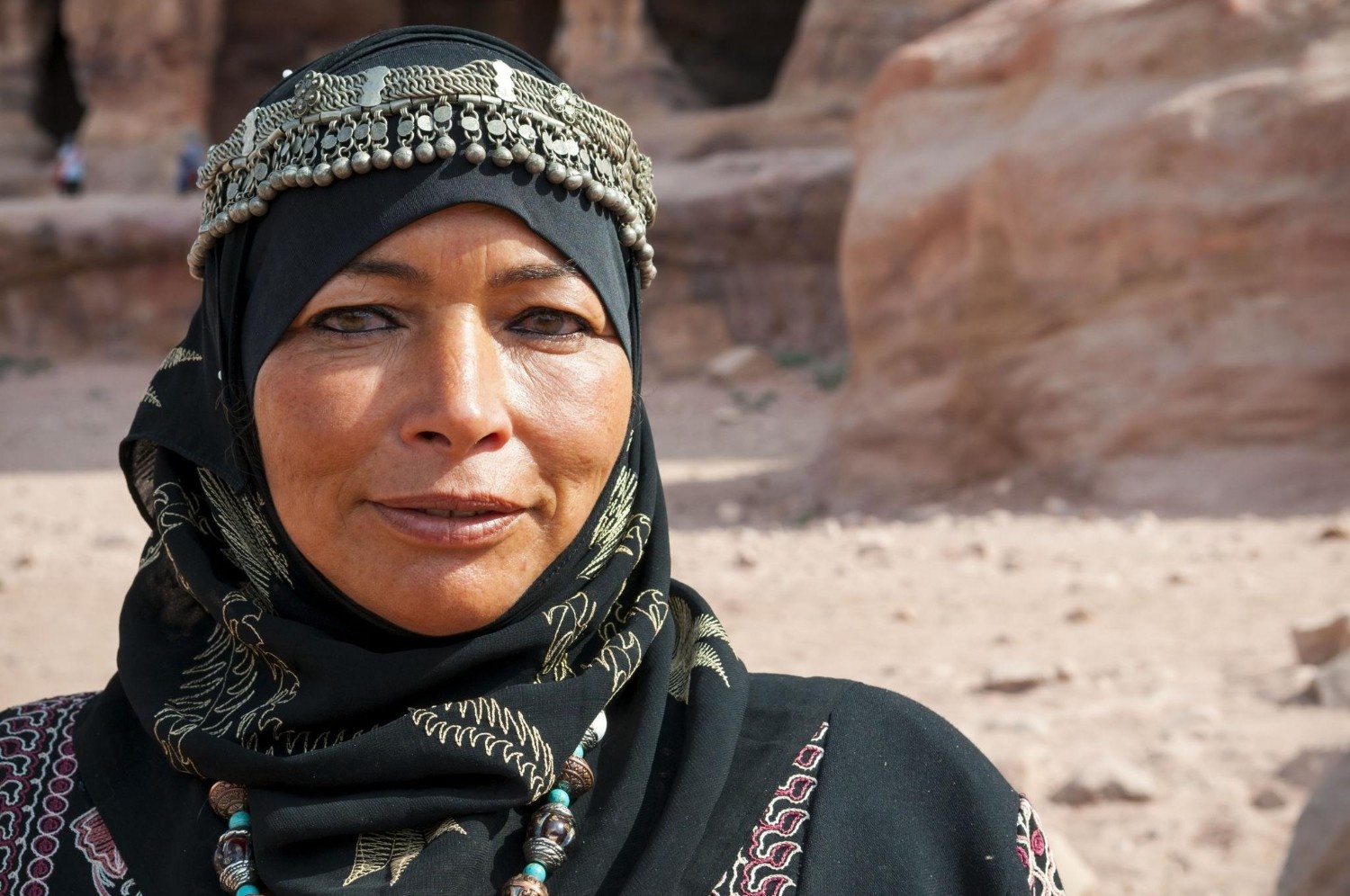
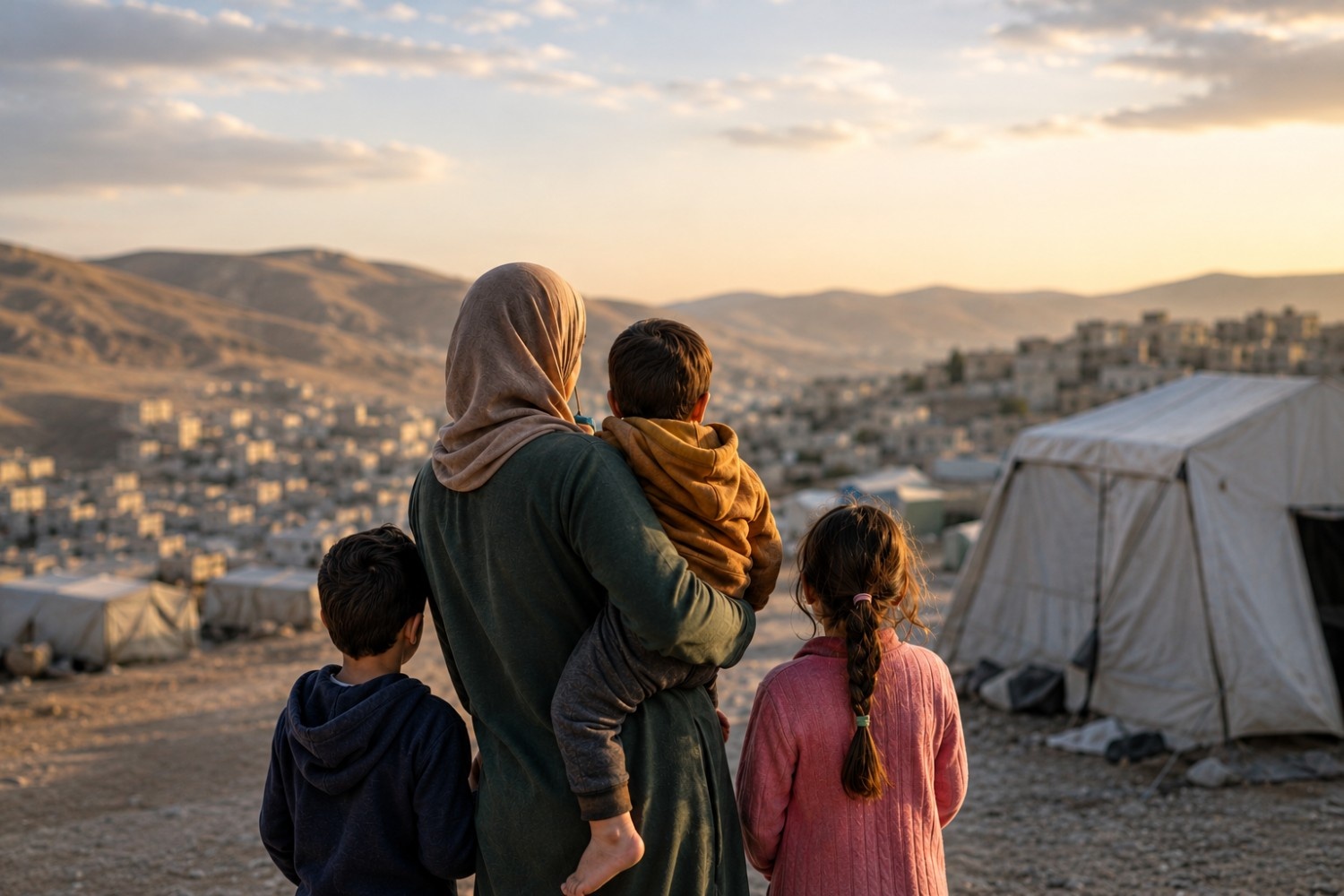
In a culture where honor is everything and family identity defines your place in the world, a broken home is more than painful—it is devastating.
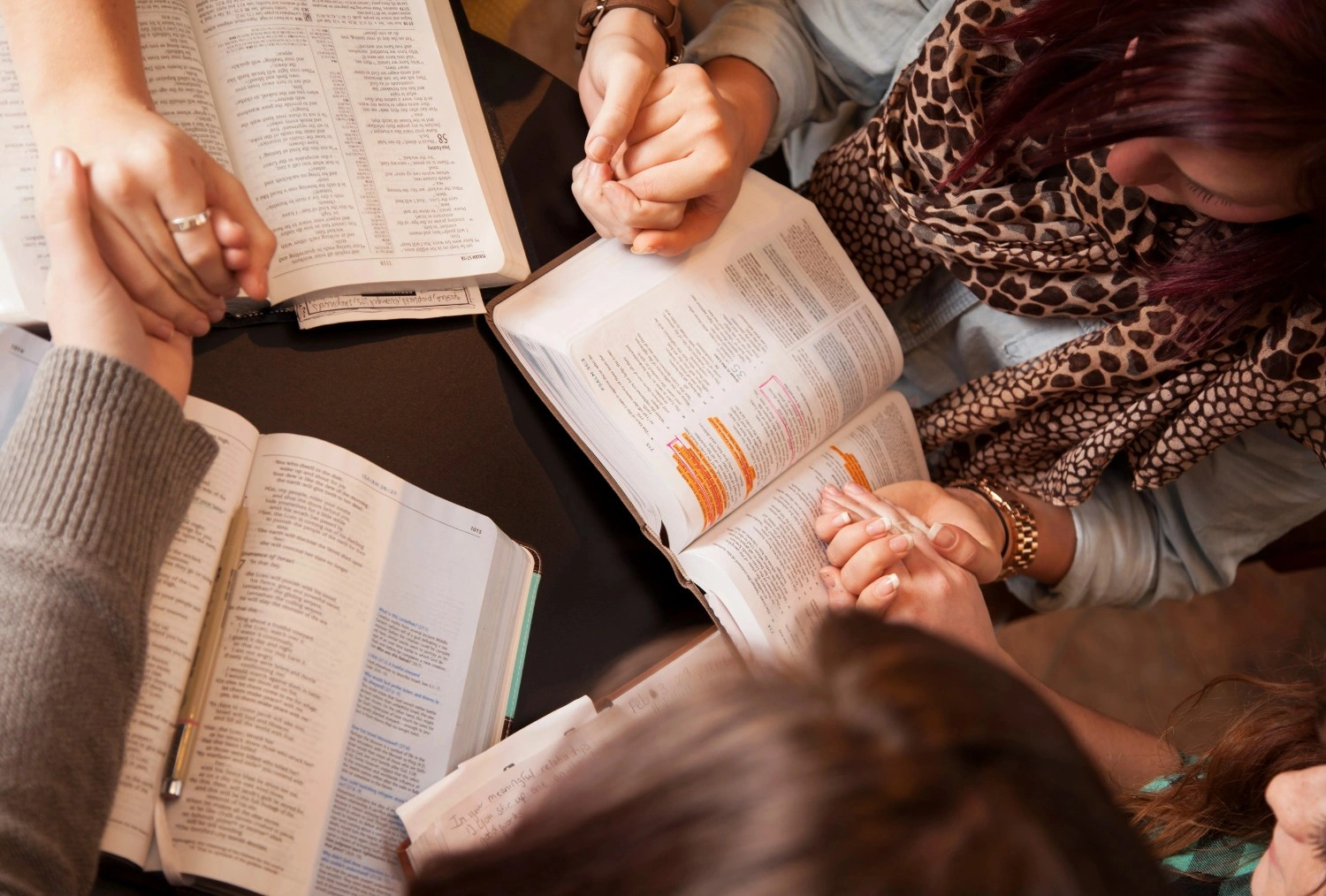
Fatima, a Bedouin Muslim woman, began attending a Discovery Bible Study with quiet curiosity. From the very beginning, she carried a visible weight. Each week, as we opened Scripture together, she would speak about the turmoil inside her home.
Divorce had touched her daughters.Her son had abandoned his own child. Conflict filled the air between her and another son who still lived under her roof.
“There is no respect in our house,” she once said. “Not between my husband and me. Not between my children and me.”
For a Bedouin woman, this kind of disorder cuts deep. In traditional Bedouin culture, family honor, patriarchal authority, and generational hierarchy shape daily life. Men are typically seen as decision-makers. Mothers often carry the emotional weight of the household but may not be granted authority or voice. When fractures form, they can feel irreversible. And yet, something unexpected began to happen.
A Question That Changed the Atmosphere
At the end of each Discovery Bible Study, I ask a simple question:
“Who would like to thank the Lord for something that happened this week?”
One evening, Fatima immediately raised her hand.
“I have many problems at home,” she began. “My family is completely broken. But after I started listening to your teaching—about forgiving, loving, avoiding conflict, and respecting one another—I decided to try and apply it.”
She described how her husband, influenced by a strong patriarchal mindset, would regularly tell their sons they were in control—not her. She had lived for years without being respected in her own home. But instead of demanding authority, she chose something radical: she changed her posture.
She began responding with gentleness instead of anger. She chose forgiveness instead of retaliation. She practiced respect, even when it was not returned. And slowly, the atmosphere shifted.
“What Happened to You, Mom?”
The conflict between her and her son began to fade. The tension that once defined their conversations softened.
One day, her son looked at her and asked:
“What changed you, Mom? What happened to you?”
Her answer was simple.
“God changes people, my son.”
That was it. No argument. No lecture. No pressure. Just transformation.
And in a culture where change rarely begins with women, her quiet obedience became the catalyst for peace. Her son responded not to control—but to love. Not to power—but to humility.
“Our whole life at home has changed,” she said. “There are no more conflicts. My son became more positive after I changed.”
The Cultural Significance of Her Story
Fatima’s story is powerful not only because her home found peace, but because of what it represents culturally.
In many Bedouin and conservative Muslim contexts:
- Authority flows from men downward.
- Family honor is guarded fiercely.
- Divorce carries deep shame.
- Women are rarely seen as spiritual leaders within the home.
For a Bedouin mother to say, “God changed me,” and to attribute that change to reading the Bible is deeply significant. She did not overthrow her culture. She did not rebel against her husband. She did not abandon her identity. Instead, she embodied something transformative within it.
The teachings of Jesus—love your enemies, forgive those who hurt you, respond with humility—are countercultural in any society. But within rigid honor-based systems, they are revolutionary.
Her change disrupted generational patterns without creating dishonor. It restored dignity without confrontation. It demonstrated that spiritual transformation often begins quietly—but its impact is unmistakable.
Restoration Begins in the Heart
When people think of faith stories in the Middle East, they often imagine dramatic conversions or public declarations.
But sometimes, the most profound miracle is this: A mother who no longer raises her voice. A son who begins to listen. A home that becomes peaceful instead of hostile. No more constant arguments. No more daily tension. Just a different spirit in the room.
That is restoration. And restoration, especially in honor-based cultures, is sacred.
The Power of Lived Transformation
Fatima did not preach sermons to her family. She lived differently.
Her son saw it. Her husband felt it. Her home experienced it. The transformation that is lived out is often more powerful than words. In regions where public faith can carry social risk, lived transformation becomes the testimony.
Changed behavior becomes the evidence. Peace becomes the proof. And it all began with a woman willing to forgive.
A Broken Home Made Whole
“Glory be to God,” she said with tears in her eyes, “who restores hearts and brings peace into broken homes.”
Her story reminds us that spiritual change is not abstract. It is practical. It touches kitchens and living rooms. It reshapes conversations. It alters generational patterns. And sometimes, the obedience of one woman can shift the entire atmosphere of a household.
Fatima’s home was once defined by conflict. Now it is marked by peace. And that is no small miracle.