Youth and the Future of Christianity in Egypt, Lebanon, and Iraq
Youth in Egypt, Lebanon, and Iraq are stepping into leadership, driving the growth of Christianity amid instability and change.
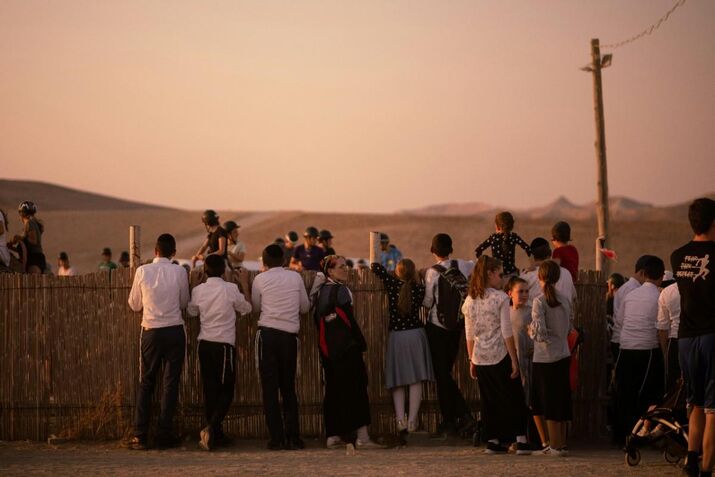
Across the Middle East, young people are shaping the future of Christianity in ways few expected. In regions marked by instability, displacement, and long-standing religious traditions, youth are not withdrawing or waiting for safer conditions. They are stepping forward.
From Egypt to Lebanon to Iraq, young believers are embracing faith, taking responsibility, and leading movements that are reshaping the church. They are not postponing obedience—they are building the future of Christianity now.
Egypt: From Workers to Witnesses
Egypt has long stood at the crossroads of Christianity. The historic Coptic Church has endured for centuries, and in recent decades, evangelical movements have also taken root—particularly among youth.
One striking development is how young people have carried their faith beyond national borders. Construction workers and migrant laborers traveling to neighboring countries, including Libya, became early catalysts for Discovery Bible Study groups. Their willingness to live and work under pressure—while faithfully sharing Christ—laid foundations that later expanded among local populations.
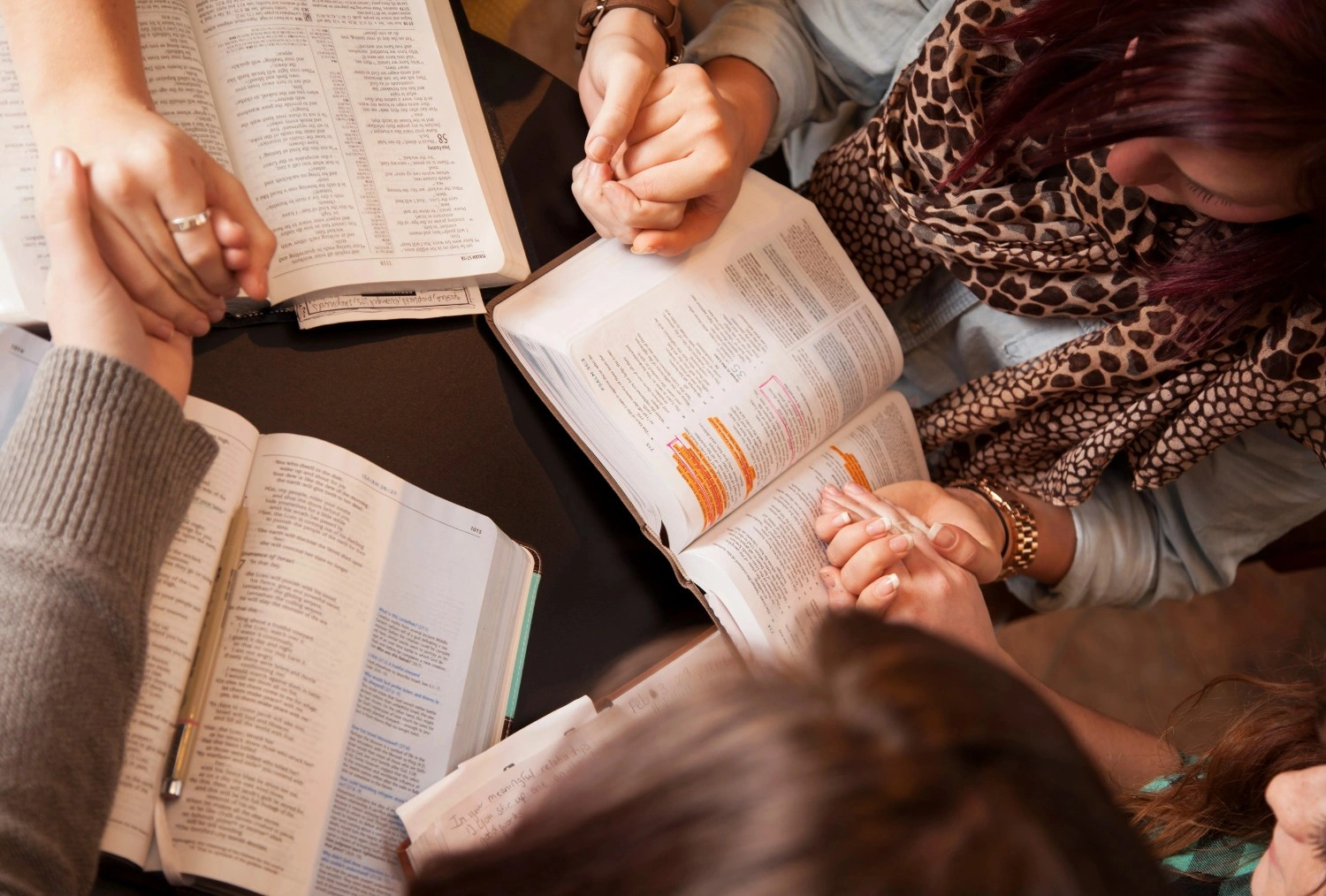
Within Egypt itself, young believers are stepping into leadership. University students gather for prayer. Young professionals lead Bible studies. Others serve among refugee communities. This generation is not driven by influence or resources, but by conviction.
As one Egyptian believer said simply, “We may not have money or power, but we have Jesus—and that is enough to change our generation.”
Lebanon: Equipping a Generation on the Move
Lebanon has become a strategic hub for youth discipleship across the region. With greater religious openness than many neighboring countries, it serves as a place of training, mentoring, and sending.
Through networks connected to NEO US, young leaders from across the Middle East gather for discipleship and equipping. Many return home carrying a vision for house churches, small groups, and relational ministry in places where public faith is not possible.
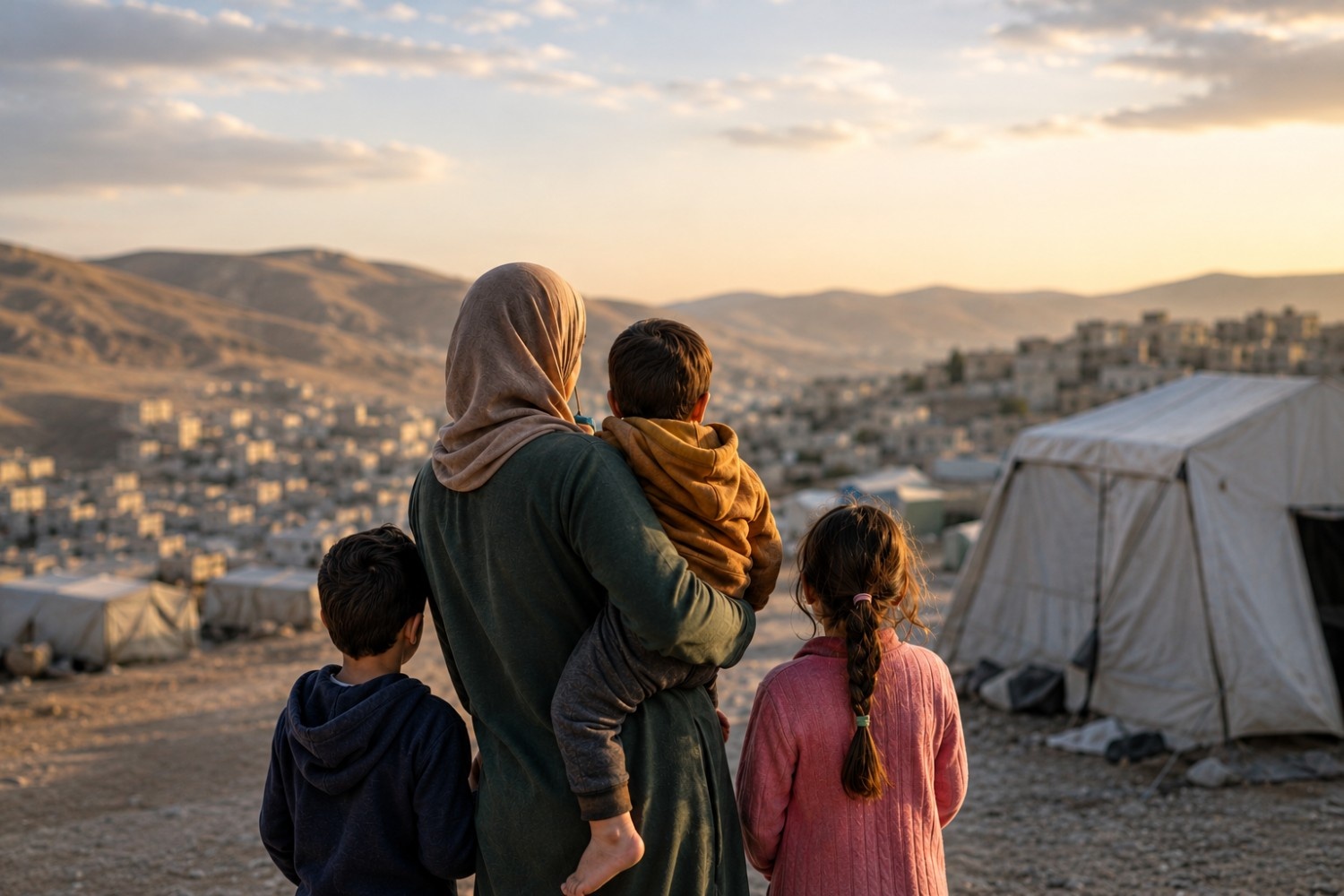
The presence of Syrian and Palestinian refugees has further shaped this movement. Lebanese and refugee youth are partnering across cultural lines, sharing a faith born of trauma and hope. Many refugee young people—shaped by war and displacement—have encountered Christ through Scripture, dreams, and the faithful witness of peers. They are now discipling others within their own communities.
One NEO leader recalled meeting a group of Syrian youth in Beirut:“They had lost everything, yet they were full of hope in Christ. They weren’t just surviving—they were leading.”
Iraq: Courage in a Fragile Land
In Iraq, decades of war and sectarian violence have created a fragile environment for faith. Yet young believers are not retreating into survival mode. Many are stepping into leadership with courage.
Youth-led Bible studies meet in homes or remote locations. Some young believers disciple peers who have grown weary of religious conflict and long for a faith rooted in peace. Others serve quietly in refugee camps, sharing testimonies with families who have lost everything.
One young man from northern Iraq began leading his friends in prayer after bombings devastated his neighborhood. Aware of the risks, he said, “If we don’t bring hope now, there will be no future for us.”
Despite scrutiny and threats, Christianity continues to grow among young Iraqis. Their faith is costly—risking reputations, careers, and safety—but it is deeply rooted.
Why Youth Are Stepping Forward
Across Egypt, Lebanon, and Iraq, young people are leading because they have grown disillusioned with broken systems, shaped by shared suffering, and connected in new ways. With fewer attachments to security or status, many are willing to risk obedience in ways previous generations could not.
A Story as Old as Scripture
This movement echoes a familiar biblical pattern. Timothy led churches while still young. Mary carried the Messiah as a teenager. David was anointed long before he was crowned. God has often entrusted His mission to the young—before the world considers them ready.
Today’s Middle Eastern youth stand in that same lineage, carrying responsibility far beyond their years.
The Future Taking Shape
From Egyptian workers planting seeds abroad, to Lebanese youth equipping refugee leaders, to Iraqi teenagers leading prayer in broken neighborhoods, the next generation is shaping Christianity’s future in the Middle East.
Their faith is not shaped by comfort or stability, but by conviction. Change is being led by young believers who refuse to wait for peace before acting—and who are building the church even as the ground beneath them shifts.