A Reversal of History: Migrants Evangelizing Europe
As church attendance declines across Europe, migrants are encountering Jesus and sharing their faith—reshaping the future of Christianity through lived witness.
For centuries, Europe stood at the center of global mission. From the Protestant Reformation through the 19th and 20th centuries, missionaries were sent from European cities to Africa, Asia, and the Middle East, carrying the gospel far beyond their borders.
Today, that story is reversing.
Across Europe, church buildings remain—but many congregations have thinned, shaped more by memory than movement. Secularism has left deep spiritual fatigue in its wake. And yet, amid this decline, new life is emerging from unexpected places.
Migrants—many of whom once followed Islam and now follow Christ—are bringing a renewed, lived faith into the heart of Europe. Through dreams, visions, and simple disciple-making practices, they are sharing the gospel not only with fellow migrants but with Europeans themselves. What the world often frames as a crisis is, in many ways, becoming a catalyst for spiritual renewal.
Europe’s Spiritual Hunger
In much of Western Europe, church attendance has fallen sharply. In countries like Germany and France, only a small fraction of the population regularly attends worship. Historic cathedrals stand as witnesses to a vibrant past, while many local churches struggle to imagine their future.
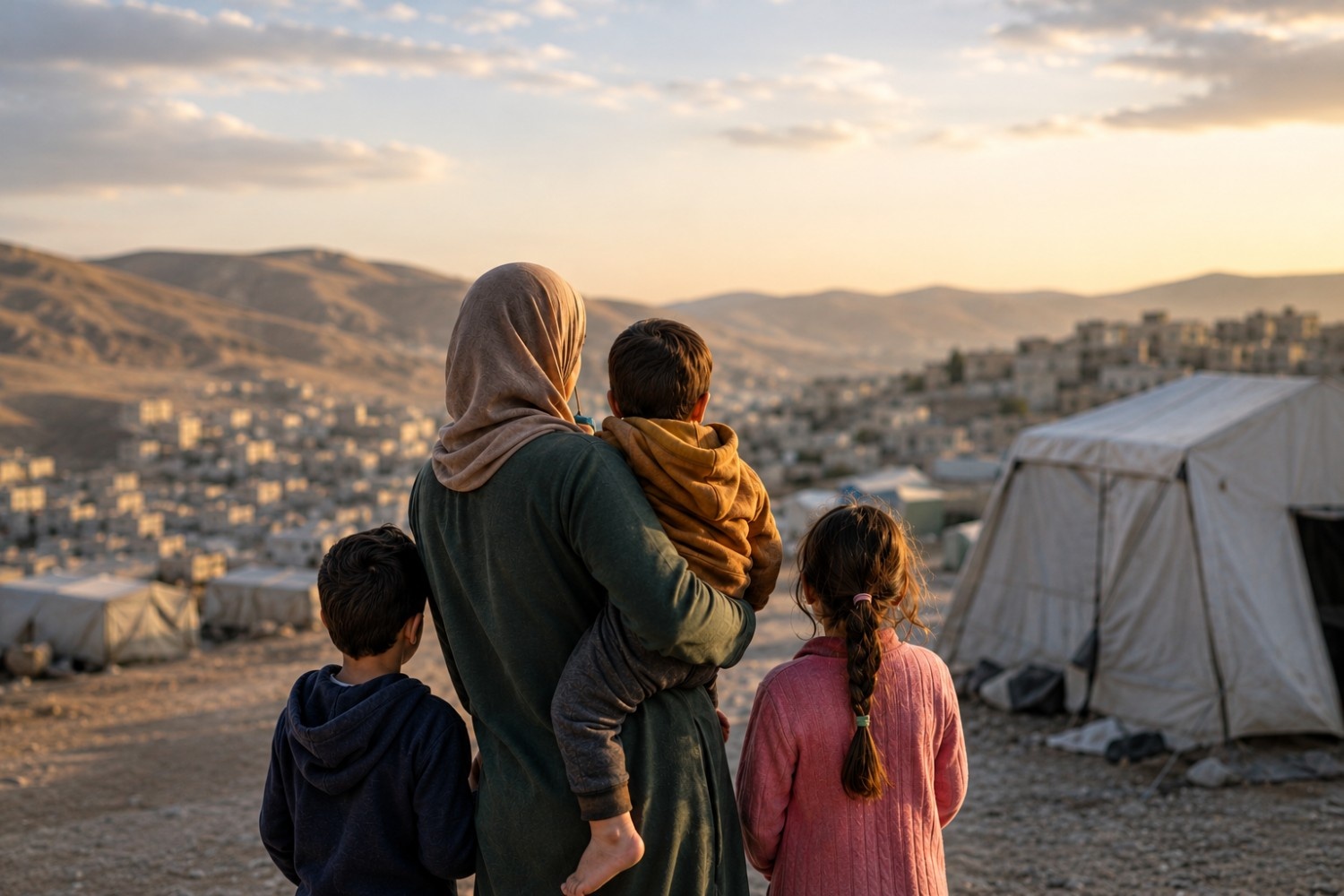
At the same time, Europe has become home to millions of migrants fleeing war, persecution, and instability—from Iran, Syria, Afghanistan, and beyond. They arrive carrying trauma, questions, and often a deep hunger for meaning.
For many, that search leads to an encounter with Jesus.
Encounters That Transform
Stories like those of Rouzbeh and Hamid reflect what is happening across the continent. Rouzbeh, once entangled in drug smuggling, nearly drowned while fleeing Iran. Rescued and later baptized in Germany, he now leads Bible studies among migrants and Europeans alike. Hamid, once openly hostile toward Christians, encountered Jesus in a vision while in Turkey and today ministers with joy and humility in Germany.
Their stories are not isolated.
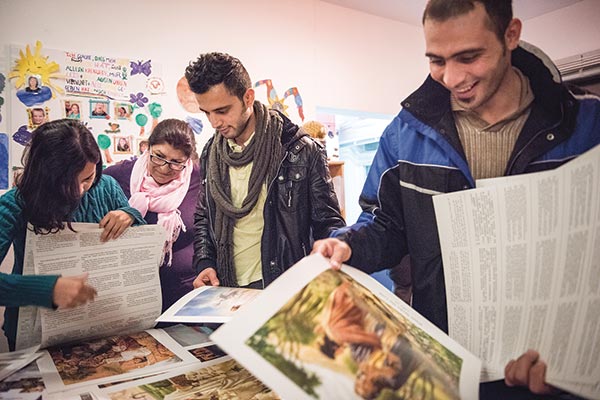
Across Europe, migrants speak of dreams of Jesus, moments of healing, and encounters that defy explanation. These experiences often lead to small discipleship communities—Discovery Bible Studies, prayer gatherings, and informal groups where faith grows quickly and organically. What begins as personal transformation often spreads through families, friendships, and neighborhoods.
Faith Crossing Cultural Lines
One of the most striking developments is that this movement does not remain within migrant communities.
In cafés, schools, markets, and reception centers, migrants share their stories with Europeans who are often disillusioned with institutional religion but open to authentic faith. Their testimonies—marked by suffering, resilience, and hope—resonate deeply.
A German woman who joined a migrant-led Discovery Bible Study initially came only to practice language skills. But she was drawn in by the joy and sincerity she encountered. “They had something I didn’t,” she later admitted. Before long, she was reading Scripture and exploring her faith.
In another setting, a Syrian believer prayed for a German neighbor struggling with chronic pain. When the pain eased, questions followed. Encounters like these are becoming increasingly common—not driven by pulpits or programs, but by relationships and lived experience.
A Movement Supported, Not Controlled
Organizations like NEO US are coming alongside this movement, not to direct it from above, but to equip it from within. Through training in Discovery Bible Study, prayer networks, and leadership development, NEO encourages a simple conviction: every believer is a missionary.
Migrants are not asked to wait until they feel “ready.” They are encouraged to share what they have already experienced—walking with others, opening Scripture together, and allowing faith to multiply naturally.
This approach has led to the growth of networks of small, relational communities across Germany and beyond. People who once arrived as strangers are now leading vibrant expressions of faith.
A Reversal Rooted in History
Historically, Christianity has often spread during seasons of movement and displacement. The early church grew as believers fled persecution. Renewal followed refugees and exiles across borders during the Reformation.
What is unfolding in Europe today echoes those patterns.
Where missionaries once traveled eastward from Europe, believers from the Middle East, Asia, and Africa are now carrying faith westward through migration. The movement of people has become the movement of the gospel.
Persevering Through Resistance
This renewal does not come without cost. Migrants who follow Christ often face suspicion from governments, skepticism from local communities, and hostility from fellow migrants who see conversion as betrayal. Language barriers, bureaucracy, and cultural differences add daily strain to already fragile lives.
Yet the movement persists.
As one migrant leader shared, “Hardship reminds us that our hope is not in Europe or in governments—but in Christ.” Reliance on prayer and community has only deepened resolve.
A Church Without Borders
The presence of Christian migrants is reshaping Europe’s spiritual landscape. What began as displacement is becoming purpose. Those who fled violence and despair are now carriers of peace and hope—reminding Europe of the living power of the gospel.
As Nadim Costa of NEO US reflects, “For centuries, Europe sent missionaries to the world. Today, the world is sending missionaries to Europe through migrants who carry the love of Christ.”
It is a reversal of history and a reminder that God is never limited by borders, cultures, or expectations.