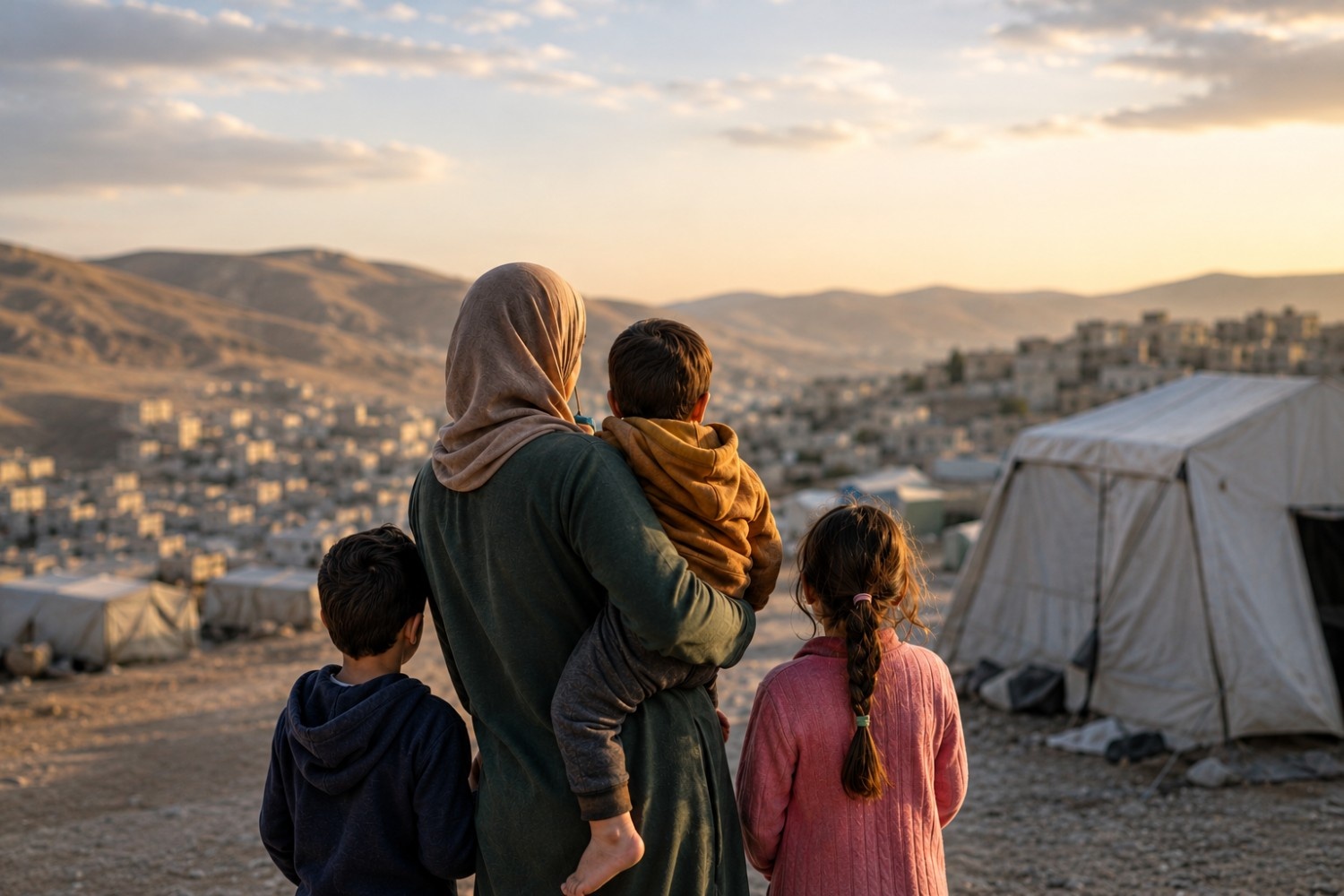
Behind the Bruises: A Bedouin Woman’s Journey from Abuse to Faith
Discover Ibtisam’s powerful journey from abuse and skepticism to faith. A moving story of a Sunni Muslim Bedouin woman encountering the loving, consistent character of God through Bible study in the Middle East.
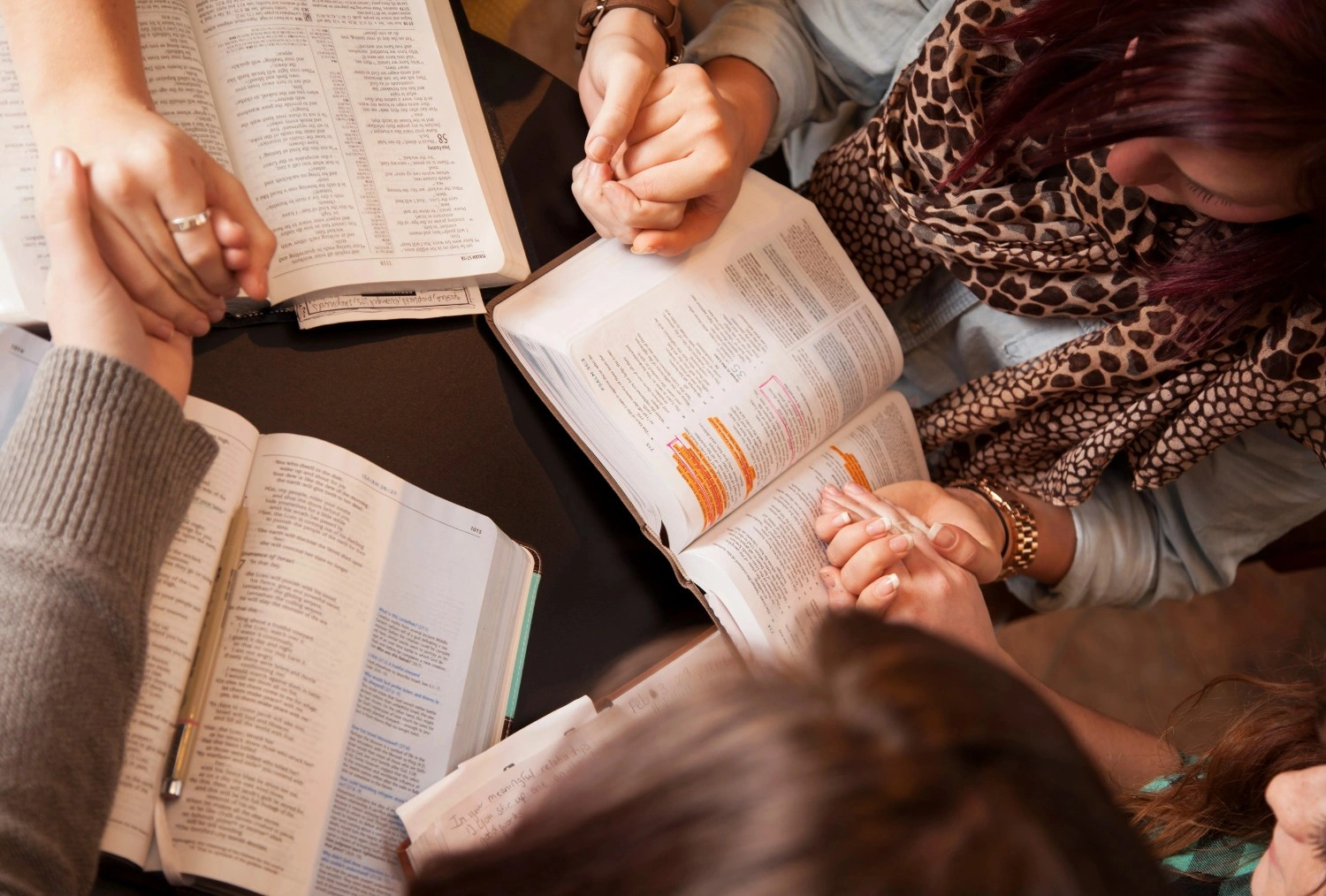
Sometimes the most powerful stories don’t begin with faith. They begin with pain.
Ibtisam, a Sunni Muslim Bedouin woman, was the very first person to attend when we began a Discovery Bible Study in her community. At first, her presence was inconsistent. She often said she was unwell.
We didn’t know the full story.
It wasn’t until we visited her at home that she quietly revealed the truth: she had stopped coming because her husband was abusing her even while she was pregnant. He would strike her face, leaving bruises that lingered longer than the explanations she offered to others.
Behind her absences was fear. Behind her silence was suffering. And yet, that was not the end of her story.
When Rumors Don’t Tell the Truth
Many people told us Ibtisam didn’t like Christians. Some said she was opposed to Jesus. Others questioned her motives for attending at all.
But we chose not to build our understanding on rumors.
Instead, we prayed.
We asked God to reveal whether she truly wanted to know Him — not as an argument, not as a debate, but as a Person.
What happened next surprised everyone.
Ibtisam began attending consistently. Not only that, she became the first to ask for her own Bible.
In a conservative Sunni Bedouin context, that request carries weight. For someone from a Muslim background to personally request Scripture is not casual curiosity. It is intentional. It signals hunger.
Even more remarkably, she began preparing the Bible passages before each gathering so she could actively participate in the discussions. The woman people assumed was resistant had become deeply engaged.
Encountering a Different Character of God
For many from a Muslim background, God is primarily understood as powerful, sovereign, and distant — to be obeyed, but not necessarily known relationally. Questions are not always welcomed. Doubts are often silenced. Pain is endured quietly.
But in Scripture, Ibtisam began encountering something different.
She encountered a God who listens. A God who draws near to the brokenhearted. A God who invites questions rather than punishes them. A God whose character is consistent mercy woven through justice, compassion alongside holiness.
As she read, she began to see something important:
There were no contradictions in His character.
The love she read about matched the mercy she experienced. The patience she saw in Scripture mirrored the patience shown toward her.
The more she studied, the more she realized this was not a distant deity demanding performance, but a loving God revealing Himself. And when someone who has experienced violence begins to encounter a God who is gentle, that matters.
A Faith That Moves Toward Pain
When Ibtisam gave birth to her daughter, she invited us into her home to continue the lessons. This was no small gesture. In many traditional Bedouin settings, the home is a private space — especially for women navigating family tension.
Her invitation was more than hospitality. It was trust.
Her journey is not one of instant resolution. The challenges in her marriage did not magically disappear. Her environment did not suddenly become easy. But something inside her was shifting. And that is where real transformation begins.
The Story Is Not Over
It would be easy to tie her story up neatly — to say, “And everything was fixed.” But that would not be honest. Her story is still unfolding.
God is still working behind the scenes. Still revealing His character. Still healing what others cannot see.
In communities where faith can cost relationships, reputation, and safety, transformation often happens slowly. Quietly. Faith grows in hidden places before it becomes visible fruit.
What Ibtisam’s story shows us is this:
When someone begins to truly know God’s character — not just hear about Him — something changes. They begin to bring Him their questions. Their pain. Their confusion. Their wounds. And they discover He is not threatened by any of it.
He is consistent. He is patient. He is near.
Faith, Patience, Prayer, and Love
Many assumed Ibtisam’s heart would never soften toward Jesus. But hearts rarely change through arguments.
They change through presence. Through patience. Through prayer. Through love that reflects the very character of God.
Her journey reminds us that God is not finished. Not with her. Not with her family. Not with her community. And perhaps not with us either.
Some stories end in celebration. Others are still being written. Ibtisam’s story is still unfolding, and that may be the most hopeful part of all.