Jesus Alone Saves: Why One Muslim Woman’s Declaration Mattered
A Bedouin Muslim woman shares , “Jesus alone saves” displaying an act of faith and bravery. Discover her story, cultural impact, and how faith grows through Discovery Bible Study.
The room had gone quiet.
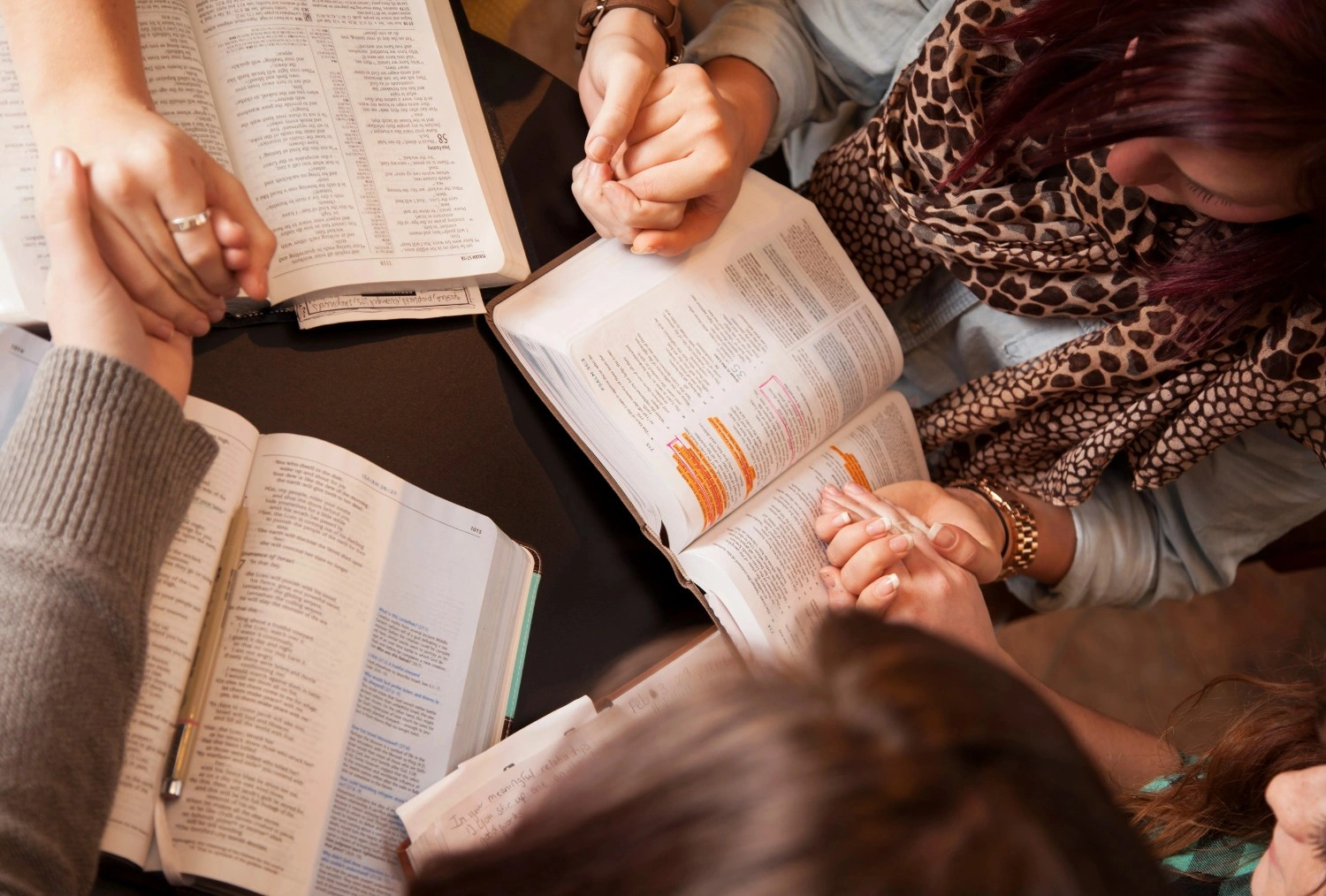
The women had just finished reading together from the prophet Isaiah. No one spoke at first. It was one of those moments where reflection lingers in the air—where hearts are still processing what they have heard.
Then Riham spoke.
“Jesus alone is the one who saves.”
She said it simply. Clearly. Out loud.
Riham is a Muslim Bedouin woman who attends a Discovery Bible Study with other women from Muslim backgrounds. No one had asked her to share. There was no prompting, no discussion underway. The words came from her, in her own voice.
Those listening knew immediately what she had said. Wanting to be sure she had been heard correctly, the group leader gently asked her to repeat herself.
Riham looked up and said again, “There is no one but Jesus who saves.”
The women around her began to nod. It was a small moment on the surface. Quiet. Brief. Easy to miss. But it was a moment filled with meaning.
Why her words mattered
For someone from a Muslim background, speaking about Jesus is not unusual.
In Islam, Jesus, known as 'Isa,' is honored as a prophet. He is respected. He is spoken of with reverence. But he is not believed to be the Savior. He is not the one through whom salvation comes. He is not understood as the one who reconciles people to God.
Salvation, in Islamic belief, is shaped primarily around obedience, good works, and God’s mercy. It is not centered on a person who saves.
This is why the most important word in Riham’s sentence was not “Jesus.” It was alone.
When Riham said, “Jesus alone is the one who saves,” she was expressing something that moves beyond what she has been taught within her religious tradition. She was naming a belief that stands outside the framework she had grown up with.
She was not simply honoring Jesus. She was placing her trust in Him.
More than a theological statement
For Riham, this was not only a theological shift.
It was a cultural one.
In many Bedouin and traditional Muslim communities, faith is not only personal—it is deeply connected to family identity, social belonging, and community loyalty. Belief is not something that exists in isolation. It is woven into relationships, expectations, and cultural life.
To speak differently about faith can carry real consequences.
Questions. Pressure. Misunderstanding. Isolation.
And Riham did not speak these words privately. She spoke to them in front of other women from her own community. That matters. Public words carry weight in collective cultures. A statement like this is not simply an internal reflection. It is a visible step. A quiet but courageous one.
A moment shaped by Scripture, not pressure
What makes this moment even more meaningful is the setting in which it happened.
The women were studying Scripture together. They were reading from Isaiah. The room was still. No one was debating. No one was urging anyone toward a conclusion. Riham’s confession came after listening.
After reflection. After sitting with the Word.
This is how discipleship often unfolds in quiet places. Not through argument. Not through persuasion. But through Scripture slowly reshaping how a person understands God—and themselves.
The courage behind her words
Riham’s words reveal a heart that is beginning to trust Jesus not only as a teacher or prophet, but as Savior.
For many people from Muslim backgrounds, this moment—speaking aloud that Jesus saves—is often one of the first public signs of faith. It does not mean the journey is complete. It does not mean all questions are resolved.
But it does mark a turning point. A shift in trust. A new center of hope.
It is a step taken with awareness of what it may cost.
And the room responded.
One of the quiet details of Riham’s story is also one of the most powerful. When she repeated her words, the other women nodded.
In communal cultures, visible agreement matters. It signals safety. Resonance. Openness. It suggests that Riham’s words were not rejected. They were understood.
And perhaps, for others in the room, they were already taking root as well.
This is how faith grows.
Riham’s story reminds us that God often works in ways that feel small and unremarkable to the outside world.
A small gathering. A short sentence. A room that pauses long enough to listen. But within that moment, something holy is taking place.
Jesus is being seen for who He is.
Hearts are beginning to shift. And courage—quiet, costly, and deeply sincere—is being formed.
Riham’s words mattered because they revealed a new trust. They mattered because they were spoken aloud. They mattered because of the cultural and religious world in which she lives. And they mattered because God is still drawing hearts to Himself—gently, patiently, and faithfully.
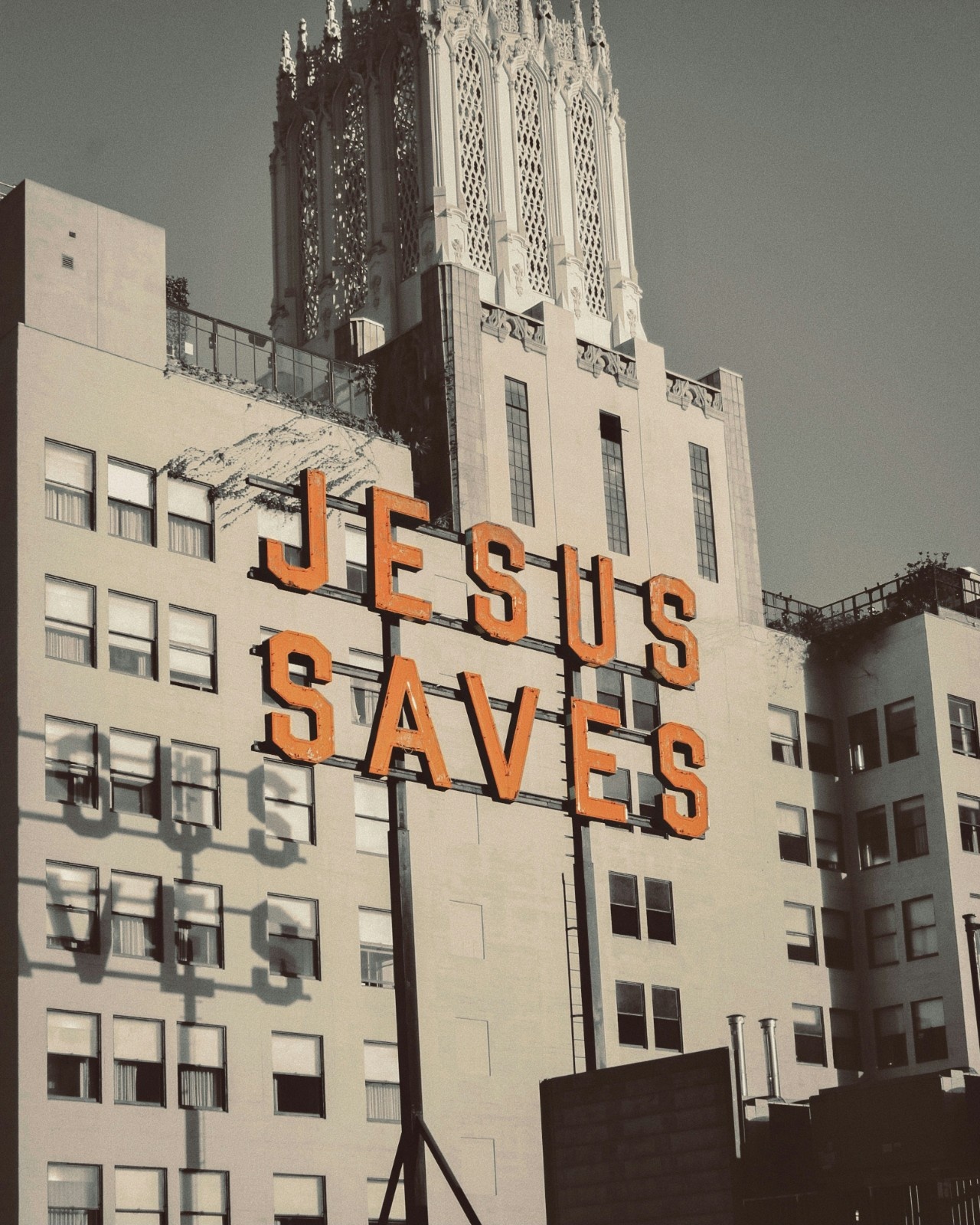
Jesus alone saves.