Redemption After Sinjar: How Faith Is Restoring Hope Among the Yazidis
In the aftermath of ISIS, Yazidi survivors in northern Iraq are encountering healing and faith. Discover how NEO and its partners are helping rebuild lives through compassion, community, and the hope of Christ.
A People Marked by Pain — and Met by Hope
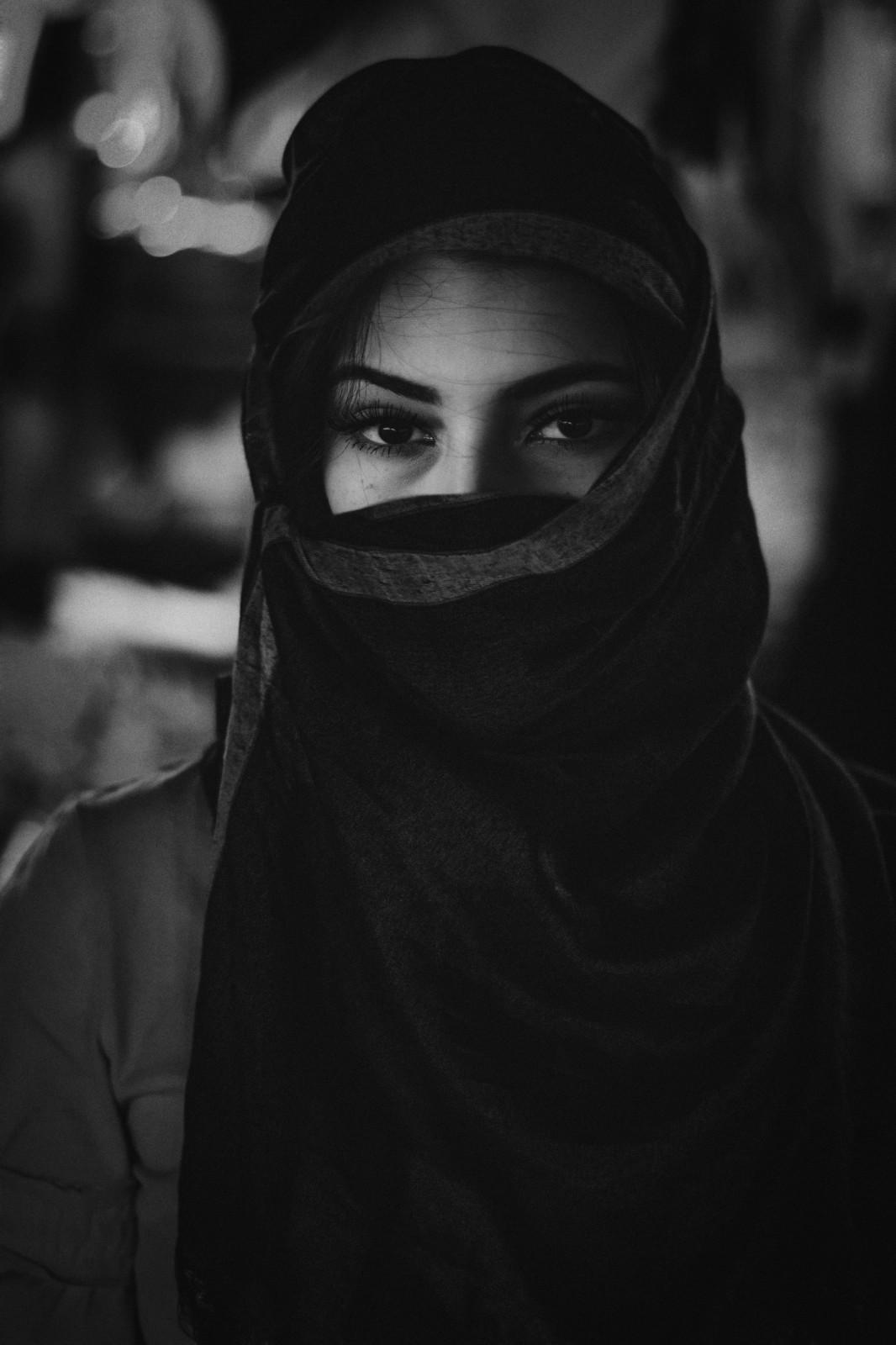
In August 2014, the world watched in horror as ISIS swept across northern Iraq, targeting religious minorities. Among the most brutal of their attacks was the genocide of the Yazidi people — a small, ancient community whose faith and way of life had endured for thousands of years.
Thousands were killed. Women and girls were taken into captivity. Entire villages were erased, and what the world saw as headlines became, for the Yazidis, a wound that still aches today.
And yet, from the ashes of Sinjar, a quiet light has begun to rise.
Even in the aftermath of such unimaginable darkness, stories of healing and redemption are taking root — stories where faith, compassion, and encounter are rewriting what was lost.
Who Are the Yazidis?
The Yazidis are a Kurdish-speaking ethno-religious minority whose heritage reaches back over 4,000 years. Their beliefs weave together elements of ancient Mesopotamian traditions, Zoroastrianism, and Islam.
Because of their unique identity, they have long faced misunderstanding and persecution — from Ottoman rulers to modern extremists. By the early 2000s, their community numbered around half a million, centered in Sinjar and the Nineveh Plains. But the assault of ISIS nearly shattered that history.
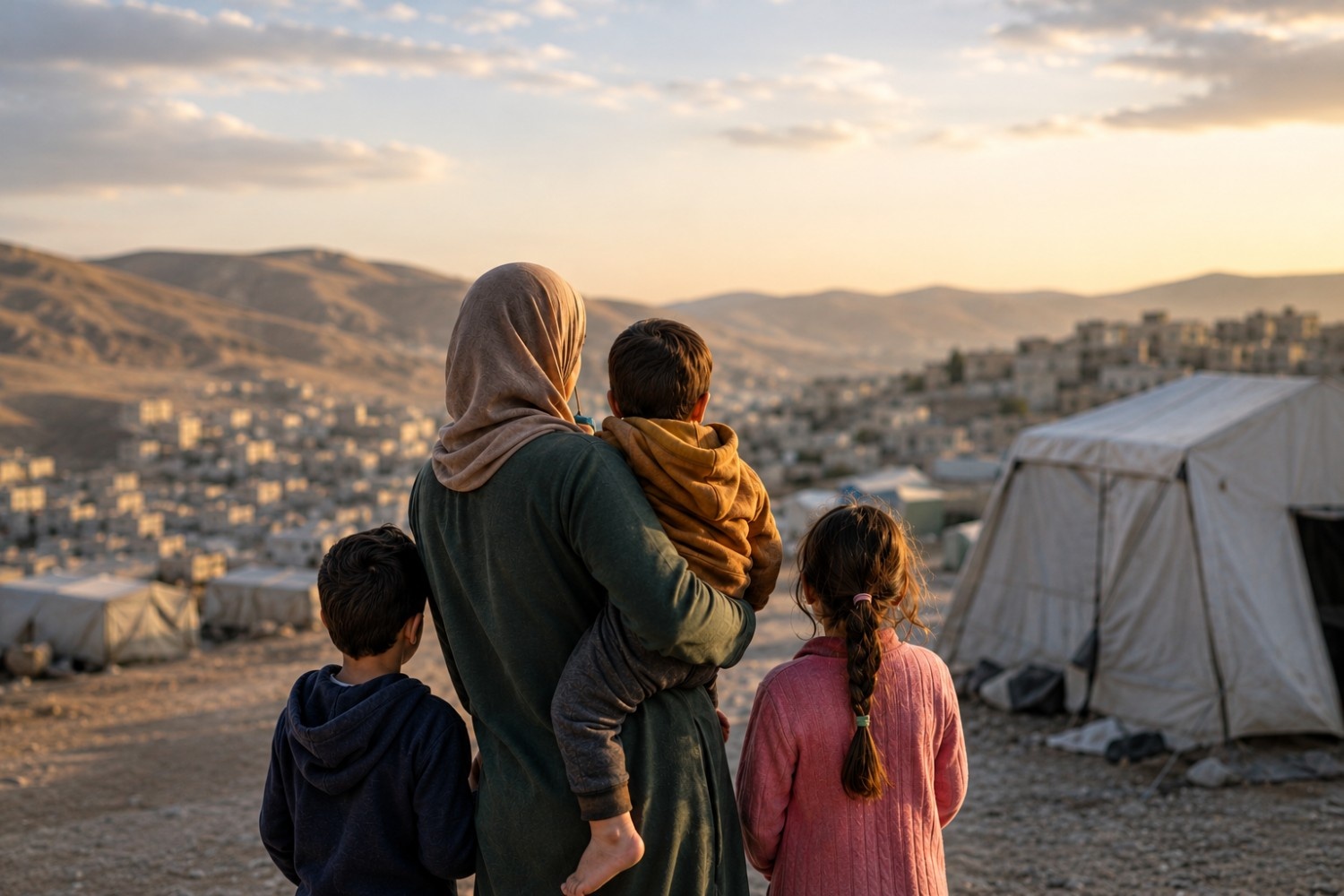
Entire generations were uprooted, scattered across refugee camps in northern Iraq and beyond. What remained was a people searching for safety — and for meaning after the unthinkable.
Into the Aftermath
When the world’s attention turned elsewhere, the Yazidis were left amid the rubble of their own homeland.
That’s where NEO and other mission partners began to serve — first with emergency aid, then with presence.
“We met families who had lost everything,” recalls Nadim Costa, President of NEO US. “They didn’t just lose their homes. They lost dignity, hope — even the will to live.”
Relief began with the tangible: food, clean water, medical care, and safe spaces for women and children. But as time went on, a more profound need became clear — the need for healing of the heart.
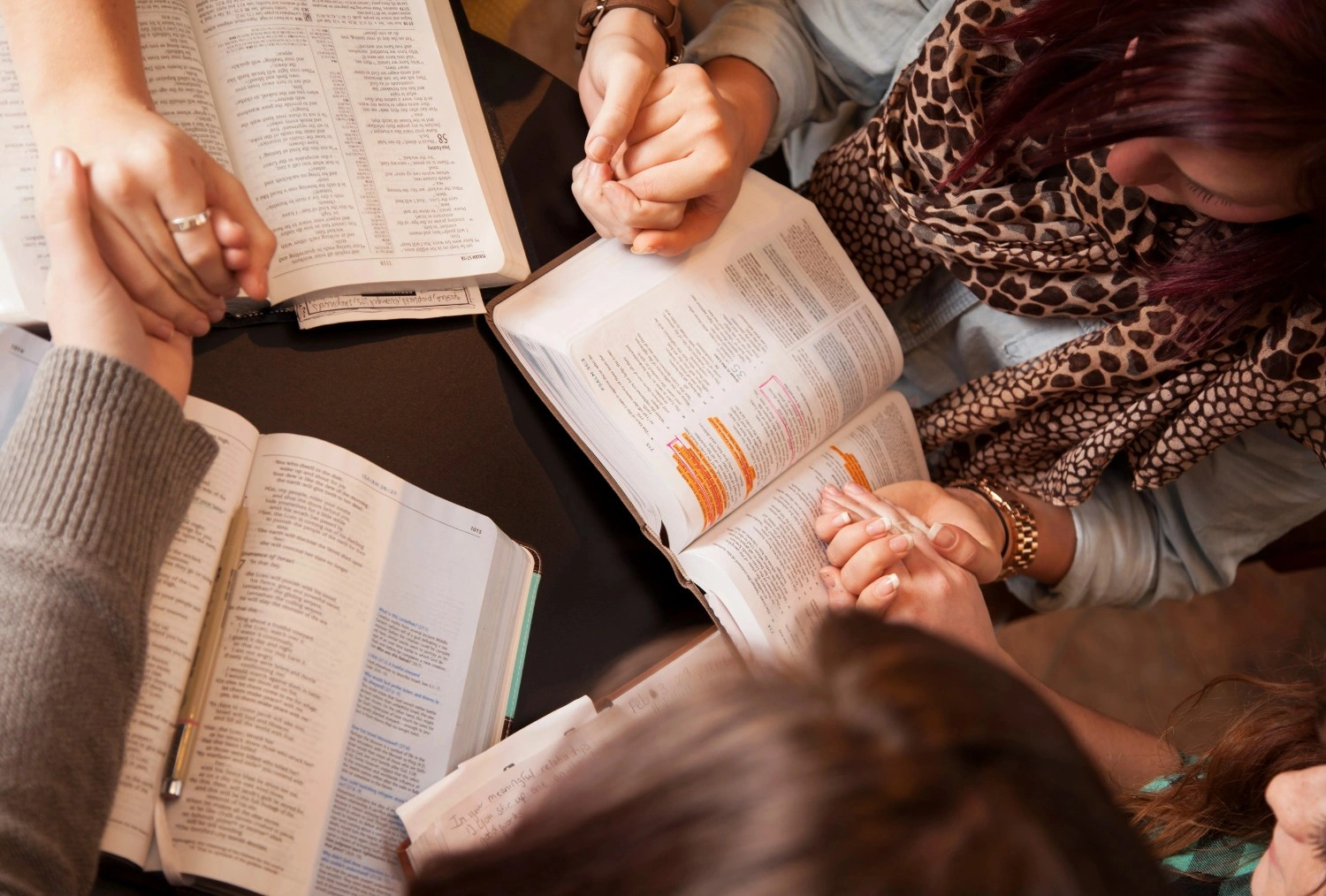
In tents and classrooms, Christian workers began hosting trauma-care sessions and small gatherings where survivors could share their stories. Through Discovery Bible Studies, Yazidi men and women encountered the stories of Jesus — not as a foreign religion, but as a source of comfort, dignity, and restoration.
Stories of Transformation
The Elder Who Dreamed of Jesus
One Yazidi elder had lost two daughters to ISIS captivity. For months, he lived in despair, haunted by questions that had no answers. Then, he began dreaming of a man in white — a man who told him his daughters were alive. Weeks later, against all odds, both girls were found and freed.
Overwhelmed, he said, “The man in my dreams was Jesus.” His faith — and his hope — were reborn.
Restoring Dignity to Survivors
In northern Iraq’s camps, mission teams established safe houses for women who had endured slavery and violence. There, they received counseling, medical care, and job training.
One volunteer shared, “We wanted them to know they are not defined by what was done to them. They are loved, valued, and capable of rebuilding their lives.”
The Children Who Still Believe
For thousands of Yazidi children growing up in tents, the future seemed uncertain. Informal schools, supported by mission partners, began teaching literacy and life skills — weaving stories of hope into every lesson.
One teacher remembers a student asking quietly, “Why did God let this happen?” It became the start of an honest conversation about pain and purpose — and the first time that child began to believe again.
When God Speaks in Dreams
Across the Middle East, many first encounters with Jesus happen not in churches, but in dreams and visions. Nadim Costa explains, “In places where following Christ can be dangerous, God often meets people personally — in ways no one can control or forbid.” Among Yazidis, dreams of Jesus have become a recurring theme — moments of divine pursuit that pierce through trauma and disbelief. These encounters remind us that even where faith cannot be spoken openly, God still speaks.
Echoes From History
Throughout history, Christianity has often flourished in the ashes of suffering. During plagues in the Roman Empire, early believers were known for their compassion toward the abandoned. Their faith was credible because it was lived. The same is true today. Among the Yazidis, the gospel is not being proclaimed through power or politics, but through service — by those who listen, weep, and rebuild alongside the broken.
Hope Beyond the Ruins
Much remains to be done. Entire villages are still uninhabitable. Women face rejection from their own communities. Many Yazidis have fled Iraq, leaving the question of their homeland’s future uncertain.
But amidst the ruins, light endures.
Through local partnerships and global support, NEO continues walking with Yazidi survivors — rebuilding homes, restoring dignity, and reminding them that they have not been forgotten. “They needed food and water,” says Nadim, “but more than that, they needed hope. Only God can restore that.”
Where Darkness Meets the Light
The Yazidis of northern Iraq have endured one of the darkest chapters in recent history. Yet their story is not ending in tragedy — it is unfolding into redemption.
In the quiet of refugee camps and the rubble of forgotten villages, faith is taking root again. Through dreams, compassion, and the steady hands of those who serve, the love of Christ is writing a new story: one where pain is met by healing, and despair gives way to hope.