The Church You Cannot See: Christianity’s Quiet Rise in Iran
In Iran, where arrests and hostility toward Christians are rising, underground house churches are quietly multiplying. Behind the persecution lies a story of resilience, courage, and an unstoppable faith.

In Iran today, faith often costs everything.
In the weeks following the ceasefire in the conflict with Israel, a wave of arrests swept across the country. Dozens of Christians were taken from their homes — men and women who gather quietly to pray, read Scripture, and share life together in small house churches. Within just one month, more believers were arrested than in the previous six combined.
State media called them traitors. The government labeled them conspirators. Yet behind every headline is a person — a father leading his family in prayer, a young woman who found peace after years of searching, a community meeting in whispers, choosing hope over fear.
A Growing Crackdown
On July 10 alone, security forces stormed gatherings in five different cities — Tehran, Rasht, Orumiyeh, Kermanshah, and Varamin — detaining 21 believers in a single day. Since then, arrests have spread to more than a dozen cities. Some were taken without explanation. Others were fined, interrogated, or threatened with long prison sentences.
A new law has made it even easier to criminalize them. By labeling evangelicals as collaborators with “hostile states,” authorities can impose severe penalties — even when the only “crime” is faith in Jesus.
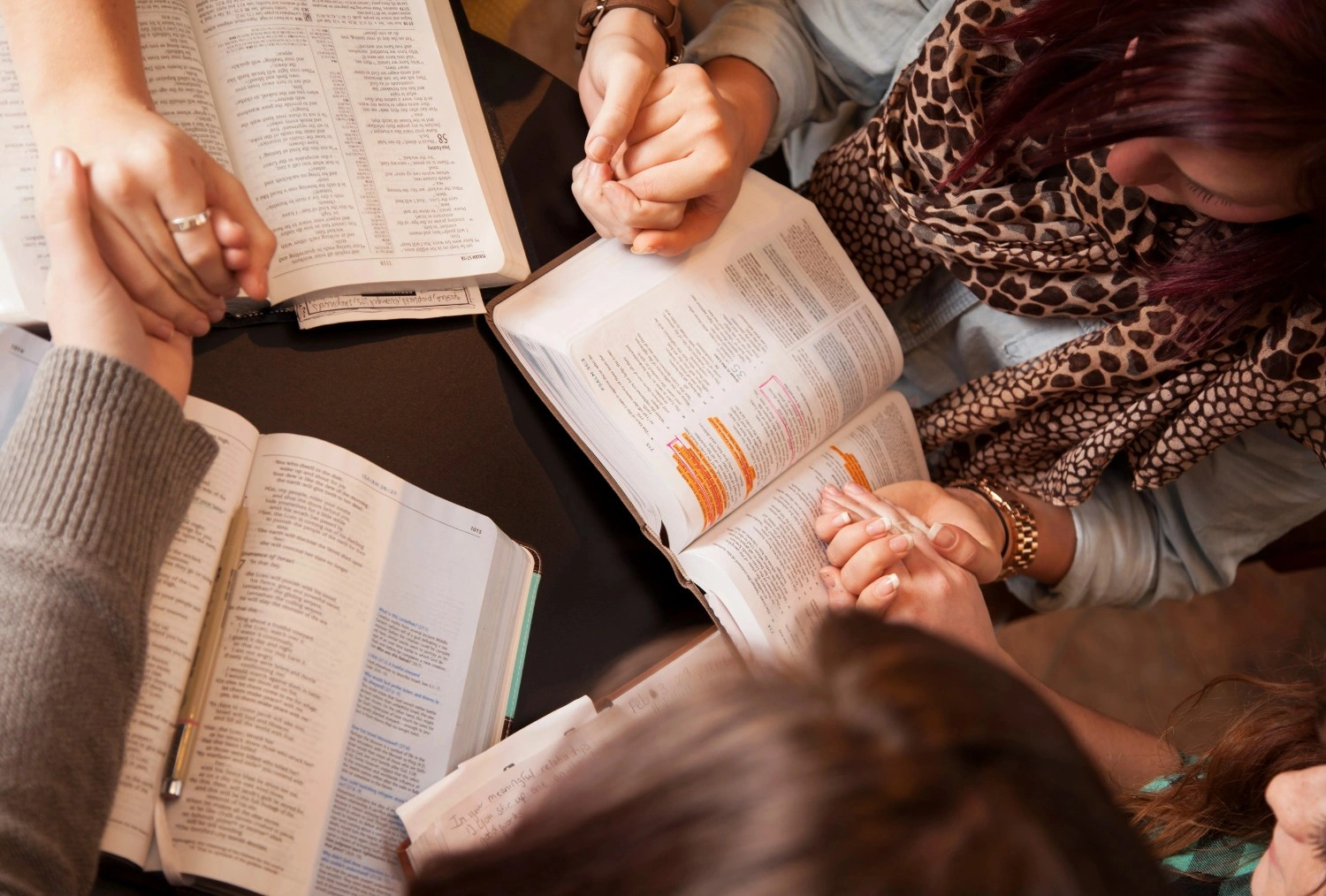
Still, despite fear and surveillance, believers continue to meet. In quiet apartments and remote homes, voices rise softly in prayer. Scripture is shared through encrypted apps. Faith moves from one heart to another, unseen but unstoppable.
Propaganda and Pressure
In recent months, state-controlled media have amplified a new wave of hostility, calling Christians “agents of Zionist ideology” and “enemies of Iran.” Even the country’s Supreme Leader has declared the rise of house churches a threat to national security.
These accusations echo the same fear that marked ancient empires when the early church first began to spread. Then, as now, the message of Christ was seen as dangerous — not because it wielded power, but because it offered freedom.
A Church That Cannot Be Silenced
Despite every attempt to contain it, Iran’s underground church continues to grow. Faith is spreading in the very places where it’s most opposed.
Many who come to faith in Iran describe encounters that defy explanation — dreams of Jesus, miraculous healings, an unshakable sense of peace that interrupts years of despair. These stories travel quietly through encrypted messages and trusted friends, crossing walls and watchlists.
“The more they try to stop it,” one believer shared, “the more people want to know why.”
House churches meet in living rooms, basements, or even the back rooms of small businesses. Each gathering is small, but together they form a network of faith that stretches across cities — unseen, yet alive with purpose.
Hope in the Dark
For many Iranian Christians, every day carries risk. A knock on the door could mean prison. A phone call from an unknown number could mean interrogation. And yet, faith persists.
“We know the cost,” said one believer, “but we also know the truth. And truth cannot be silenced.”
Organizations like NEO are walking alongside this growing movement — supporting believers through prayer, discipleship, and advocacy. Though most names and faces must remain hidden, their courage speaks loudly: that light shines brightest where darkness tries hardest to hide it.
The Unstoppable Gospel
From the days of the early church to now, persecution has never been the end of the story — only the beginning of a new one. In Iran, that story is still being written.
Each secret gathering, each whispered prayer, is a declaration: faith will not disappear. As Nadim Costa of NEO says, “The face of the region and the world is changing.”
In Iran, that change is written in the lives of ordinary believers who refuse to let fear have the final word.