The Theology of Risk: Why NEO Goes Where It’s Dangerous
Why does NEO choose to serve in dangerous places? Explore the theology of risk behind following Jesus in Libya, Syria, Iran, and beyond.
When most organizations think about growth, they look for stability—predictable environments and minimal risk. For NEO US, the equation is different. NEO follows the leading of the Holy Spirit, and that path often leads into places shaped by danger.
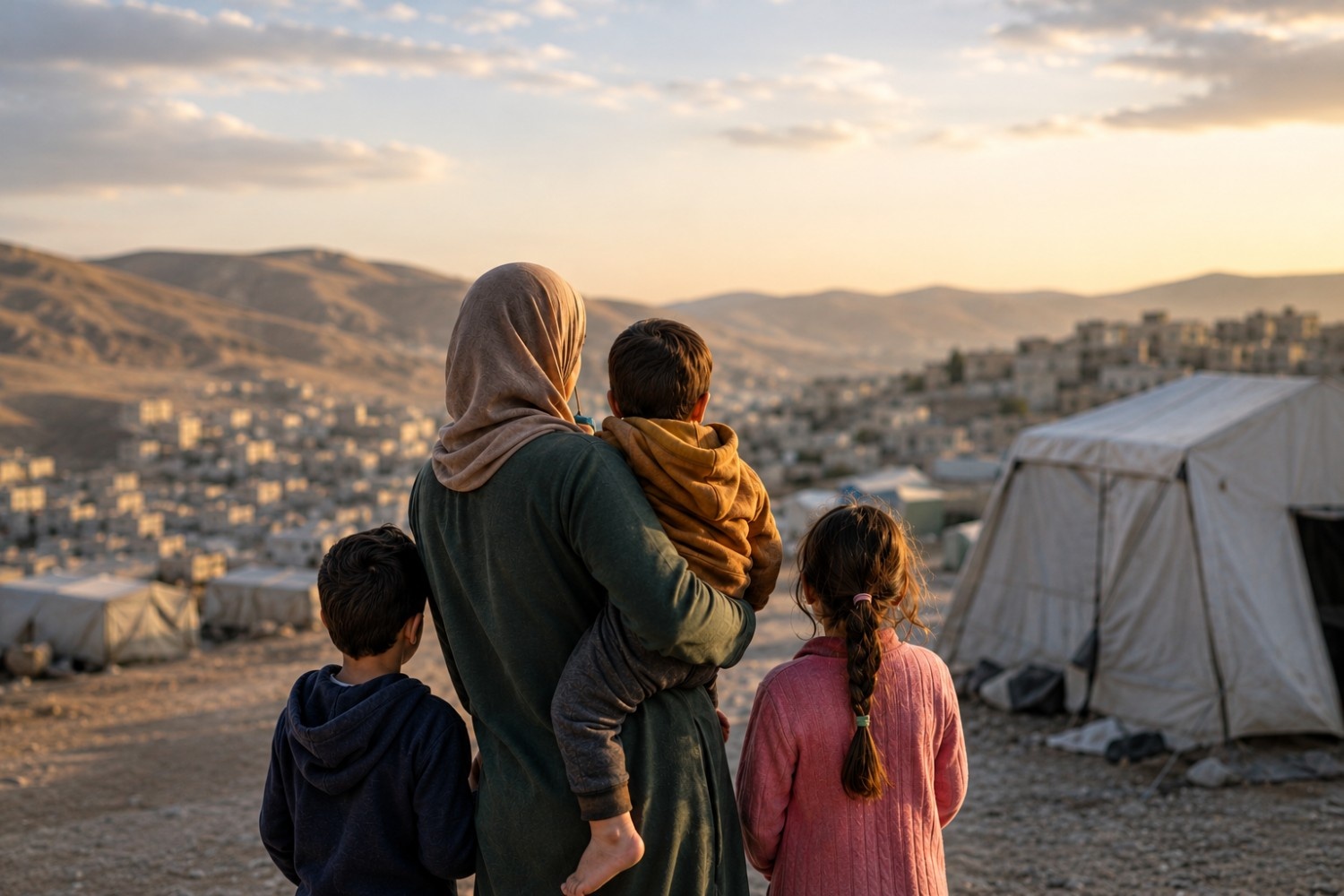
From Libya to Syria, from Iran to migrant communities across Europe, NEO teams have chosen a presence where war, persecution, and instability define daily life. Not because risk is pursued—but because obedience sometimes requires it. At the heart of the gospel is a theology of risk: the conviction that following Jesus is worth more than safety, comfort, or control.
Obedience Has Always Carried a Cost
Risk is not foreign to Christianity. Scripture is shaped by men and women who stepped forward when obedience came with danger. Abraham left what was familiar. Moses confronted power. Esther risked her life for her people. Paul endured imprisonment and suffering to proclaim Christ.
Jesus Himself modeled the ultimate risk—entering a hostile world and laying down His life. He was clear with His followers: “Whoever wants to be my disciple must deny themselves and take up their cross daily and follow me.”
In the biblical story, risk is not recklessness. It is faithfulness when the cost is real.
Libya, Syria, and Iran: Risk Lived Out
In Libya, the ministry unfolds amid militias and instability. NEO’s work began among migrant laborers and refugees and later expanded to include Libyan nationals. Today, more than twenty Discovery Bible Study groups meet across the country. The cost has been severe. Fahed, a local leader, was executed in the street, leaving behind a wife and children who continue to follow Christ. His life—and death—reflect a hard truth: risk does not stop the gospel; it often strengthens it.
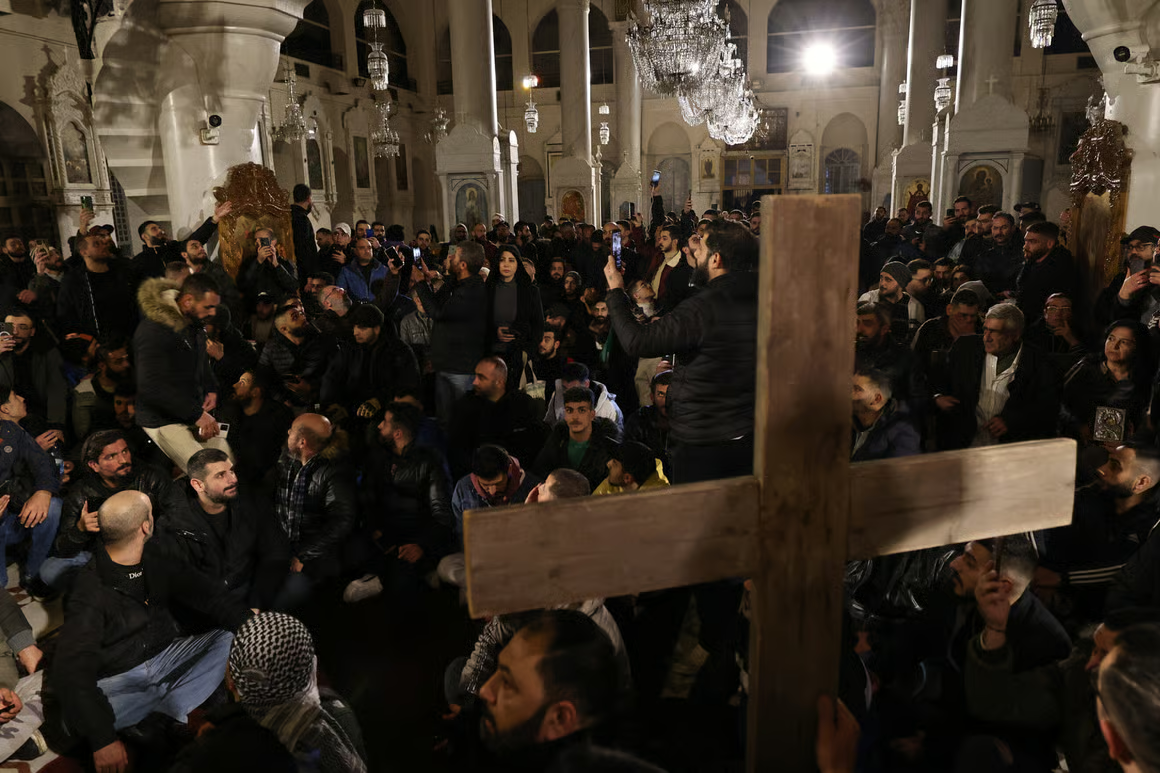
In Syria, violence can erupt without warning. In the Druze mountains, NEO leaders disciple believers as they prepare for sudden displacement or worse. Nadim Costa once shared the weight of a message from a Syrian leader:
“It’s extremely hard to hear team members asking that we take care of their wives and children if they don’t make it through the day. We pray together and wait for another morning. We need the mercy of God.”
Staying, continuing to shepherd, continuing to gather—these are daily acts of courage rooted in obedience.
In Iran, risk takes the form of surveillance, arrests, and imprisonment. Bombings have displaced families, yet the underground church continues to grow. Believers gather in homes, share Scripture through encrypted channels, and baptize new believers in secret. One pastor explained it simply: “If we stop, people scatter. If we continue, people believe. We know the cost. But we also know the reward.”
Migrants in Europe: Risk Reimagined
Among migrant communities in Europe, risk looks different but remains costly. Many fled war zones only to find that following Jesus brings isolation, family rejection, or threats from radicalized peers. Still, migrants continue to share their faith boldly.
One Syrian woman in Germany said, “They thought I came to take from their country. But I came to give—to give them Jesus.” For her, risk is not about danger alone, but about witness.
Why Risk Matters
Risk keeps faith from becoming passive—reminding the church that obedience requires trust and that fruit often grows where others hesitate to go. For NEO, risk opens doors to places considered unreachable and reveals God at work where hope seems fragile.
As Paul wrote, “For to me, to live is Christ and to die is gain.” In these contexts, those words are not abstract—they are lived reality.
Following Where the Spirit Leads
The theology of risk is not about chasing danger. It is about obedience—trusting God in uncertainty and moving forward when the cost is clear.
For NEO US, that has meant planting and persevering in places where faith demands everything. As Nadim Costa reminds us, “The face of the region—and the world—is changing.”
In that change, the church is rediscovering an ancient truth: faith is not preserved by avoiding risk, but by trusting Christ enough to follow Him—wherever He leads.