Trauma Healing in the Middle East: Hope and Restoration
Discover how local leaders across the Middle East are helping individuals and communities heal from trauma through presence, trust, counseling, and long-term restoration.
For seven years, she could not sleep.
The trauma she carried had settled deep into her mind and body. Every night brought the same fear, the same memories, the same exhaustion. Years had passed, but the wounds remained.
When Tiba met her, she listened.
The woman was one of many carrying the scars of conflict. Violence had shaped much of her life. Like countless others across the Middle East, the effects of war had not ended when the fighting stopped. They simply followed her home.
As Tiba sat with her, prayed with her, and continued walking alongside her, something began to change. The next day, the woman ran toward her with tears in her eyes. "For the first time in seven years, I slept."
Stories like this remind us that some of the deepest wounds caused by conflict are often invisible.
Across the Middle East and North Africa, millions of people have experienced war, displacement, violence, and loss. Homes can be rebuilt. Schools can reopen. Communities can slowly recover. Yet the emotional and spiritual wounds left behind often remain long after the headlines fade.
Trauma has a way of shaping how people see themselves, others, and the future. Fear replaces trust. Isolation replaces community. Hopelessness begins to feel normal. For many, the greatest battle begins after the conflict itself has ended.
The Hidden Impact of Trauma
Trauma rarely affects just one person. It touches families. Children. Parents. Entire communities.
A child who grows up surrounded by instability may carry fear into adulthood. A parent struggling with grief may find it difficult to care for others. Communities fractured by violence often struggle to rebuild trust long after the immediate crisis has passed.
These wounds are not always visible, but they are real. And they require more than physical aid alone. They require healing.
Healing Begins With Presence
One of the most important lessons NEO leaders have learned is that healing cannot be rushed.
People rarely heal because someone arrives with all the answers. Healing often begins when someone simply chooses to stay. To listen. To care. To build trust. To remind another person that they are not alone.
Across the region, local leaders are creating spaces where people can process their pain, share their stories, and begin rebuilding their lives.
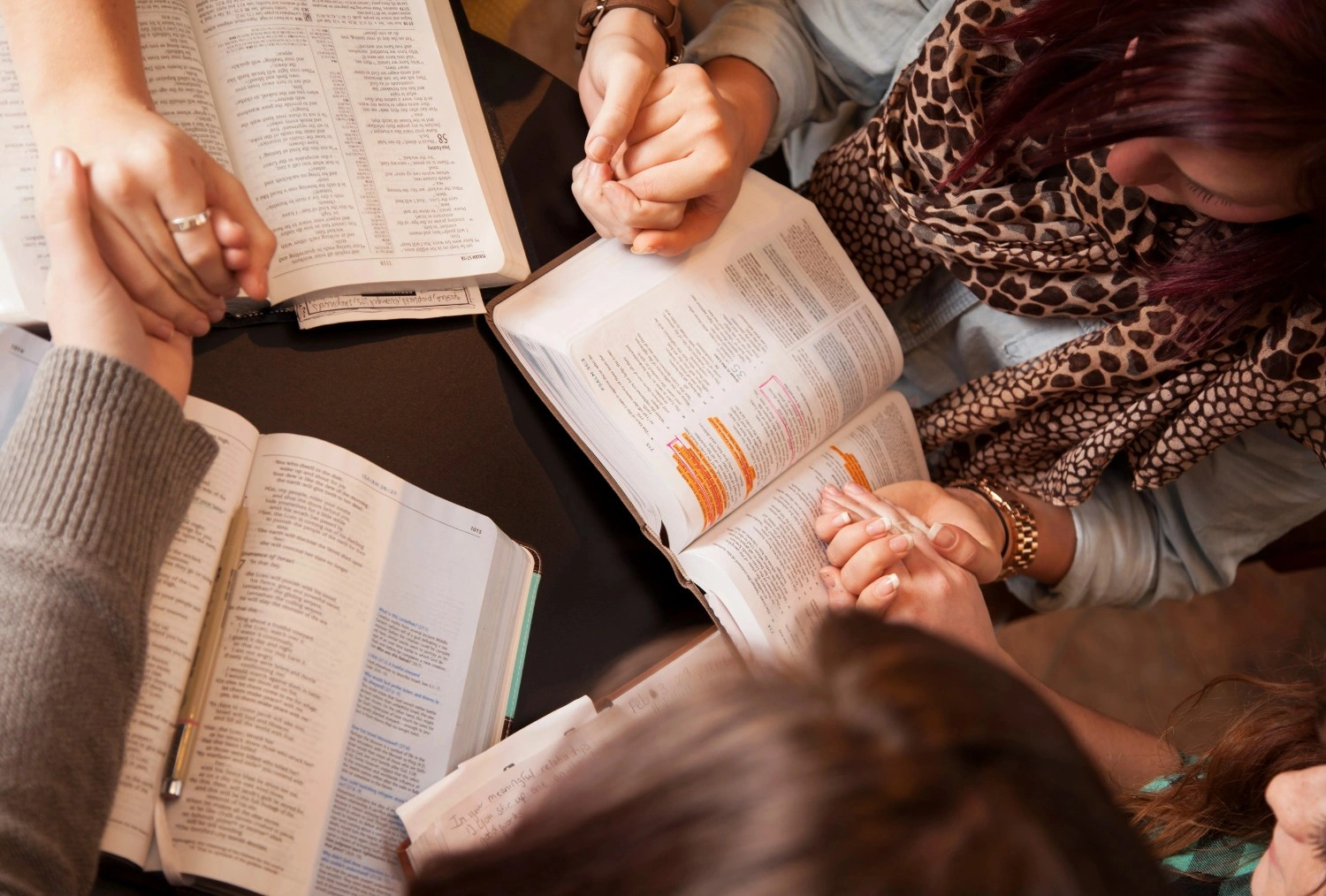
In Cairo, NEO's Women's Ministry recently gathered female leaders from Discovery Bible Study groups across the city for trauma intervention training. Together they explored practical ways to help people navigate trauma while creating safe spaces for healing and emotional support.
These efforts may seem simple, but they help equip local leaders to walk alongside individuals carrying deep wounds.
Restoring Dignity Through Healing
Trauma often damages more than a person's sense of safety.
It can distort identity. It can erode trust. It can convince people that they are alone, forgotten, or beyond restoration. This is why healing is about more than helping someone move beyond painful memories. It is about helping people rediscover their dignity, value, and hope.
NEO has seen this firsthand among Yazidi women in Iraq.
Years after ISIS devastated their communities, many survivors continued carrying wounds that were difficult to put into words. The trauma did not disappear when the violence ended. It lingered in relationships, emotions, and everyday life.
When NEO first began engaging with Yazidi communities, trust was not automatic. Many carried deep skepticism toward anyone claiming they wanted to help. One woman asked a direct question: "Do you plan to make my girls Christian?"
It was a question shaped by years of disappointment, pain, and broken trust. Rather than arriving with an agenda, NEO leaders listened. They built relationships. They created safe spaces for healing and trauma recovery. Over time, trust began to grow.
Women who had spent years carrying pain found opportunities to share their stories, process their experiences, and begin rebuilding their lives. Healing did not happen overnight. But little by little, hope began to return.
Stories like these remind us that restoration is rarely the result of a single moment. More often, it is the result of people who are willing to walk alongside others through the long journey of healing.
Healing Leads to Hope
Healing is rarely a single moment. More often, it is a journey.
For many people carrying the effects of trauma, progress comes one step at a time. Trust begins to return. Relationships slowly rebuild. Fear loses some of its hold. Hope becomes possible again. This is what Tiba continues to witness among the women she serves.
Many arrive carrying years of pain, loss, and brokenness. Some have experienced violence. Others carry grief, anxiety, or emotional wounds that have shaped their lives for years.
Through consistent care, prayer, counseling, discipleship, and relationship, healing begins to take root.
Families find hope. Women rediscover their dignity. Individuals who once felt isolated discover community. Transformation does not happen overnight. But it does happen. One conversation at a time. One relationship at a time. One step at a time.
While every journey looks different, the goal remains the same: helping people move from surviving to healing, and from healing to renewed hope.
Hope Beyond the Headlines
The Middle East is often viewed through the lens of conflict. Yet behind every headline are individuals, families, and communities carrying wounds that few people ever see. Healing those wounds requires patience. It requires trust. It requires people willing to walk alongside others for the long journey of restoration.
Across the Middle East, local leaders continue serving in exactly this way.
They are helping people process trauma, rebuild relationships, rediscover their dignity, and find hope again. Because while the wounds of war are real, so is the possibility of healing. And where healing takes root, hope begins to grow.