When Home Is No Longer Home: Life as a Refugee in the Middle East
What does life look like after families flee war? Explore the realities refugees face across the Middle East and discover how hope, dignity, and belonging are being rebuilt through relationships and local communities.
Home Is More Than a House
Home is more than a place; it’s the street where your children know the neighbors by name, the familiar shop where someone asks about your week, the quiet routines that give shape to ordinary days, and the unspoken certainty that tomorrow will look something like today.
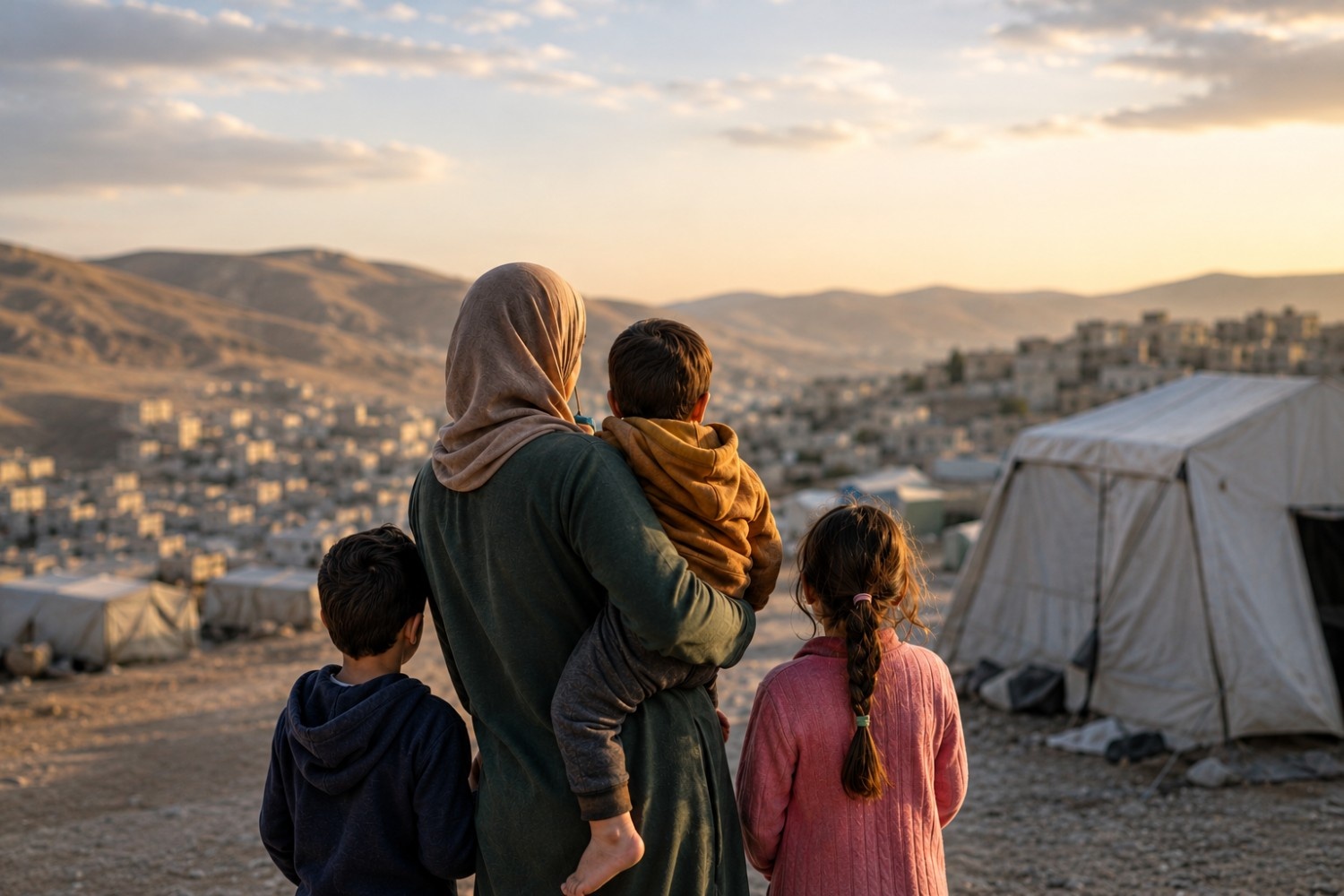
For millions of people across the Middle East, all of that disappeared almost overnight. War, persecution, and conflict forced families to leave behind not only their homes, but their jobs, schools, friendships, and the communities that had given their lives meaning. Many escaped with only what they could carry, not knowing whether they would ever return.
Finding safety, however, was only the beginning.
The Journey Doesn’t End After Escape
Displacement changes almost every part of life. A family may finally reach safety and still be unable to find stable work. Children can spend months, sometimes years, without consistent education, while parents carry the weight of providing for their families while navigating unfamiliar systems, uncertain legal status, and the quiet grief of everything they’ve left behind.
Many refugees remain in temporary housing for years, unable to return home because of ongoing violence or instability. Others discover that while they have found refuge, they have not yet found acceptance. In parts of Egypt, Sudanese refugees describe feeling invisible, having escaped war only to find themselves treated as outsiders, carrying the constant reminder that they do not fully belong. In Lebanon, Syrian refugee families continue the slow work of rebuilding their lives after years of displacement. Across Iraq, Yazidi families remain unable to return safely to their communities years after ISIS devastated their homeland.
The details of each story are different, but the questions underneath them tend to be the same: Where do we belong? Will life ever feel normal again? Will anyone truly see us?
The Unseen Weight of Starting Over
The greatest challenges are not always the ones people can see. Many parents spend their days trying to appear strong for their children while quietly carrying fear themselves, nights restless, conversations circling questions that have no easy answers. What if we cannot find work? What if we cannot go home? What kind of future will our children have?
Even when the immediate danger has passed, the emotional weight often remains. As one of our leaders recently put it, while headlines come and go, for many families, this is not a moment; it is their daily reality. The tension, the uncertainty, and the emotional strain don’t disappear when the cameras leave. For many, war is not simply an event they survived. It becomes something they continue carrying long afterward.
Rebuilding More Than Homes
Meeting physical needs matters enormously, but rebuilding a life requires more than food, shelter, or clothing. It requires trust, community, and people willing to walk alongside others through the long, unglamorous process of starting over.
Across the Middle East, this is what local believers are doing every day. In Lebanon, one ministry initiative begins with something surprisingly ordinary: laundry. A mobile washing station travels to refugee centers equipped with eight washing machines, and while families wash their clothes, local leaders spend time listening to their stories, sharing tea, playing with children, praying with those who ask, simply being present. What looks like a practical service quickly becomes something much deeper, a place where trust begins to grow.
As those relationships deepen, another mobile van creates space for trauma support in the mornings and children’s activities in the afternoons. Conversations that begin over everyday needs often become opportunities for healing, friendship, and hope. The same pattern continues across Egypt, where Sudanese pastors are building welcoming communities for refugees who have spent years feeling overlooked, and in Iraq, where local leaders walk alongside Yazidi families as they rebuild after unimaginable loss.
Transformation begins with relationships, and those relationships aren’t built in a single afternoon. They form over months and years of showing up, listening well, and choosing to stay through both ordinary days and difficult seasons. As trust grows, so do opportunities to pray, to encourage, to answer questions, and to share the hope of Christ in ways that feel natural and earned. For many displaced families, rebuilding begins the moment someone simply decides not to leave.
Finding Belonging Again
One of the deepest losses many displaced people experience isn’t simply the loss of a home; it’s the loss of belonging. Community rebuilds slowly, through shared meals and unhurried conversations, through children playing together and neighbors gradually learning each other’s names, through people who choose to stay even when life remains hard.
Across the Middle East, local believers continue creating spaces where displaced families are welcomed, known, and genuinely cared for. Many who once believed they had been forgotten are discovering that they are seen, valued, and loved. Again and again, we’ve found that before many people are ready to believe they belong to Christ, they first need to experience what it feels like to belong somewhere at all, and that simple truth has opened more doors to conversations about hope, faith, and the love of Jesus than almost anything else.
Hope Has an Address
The needs facing refugees are real and significant. Families need safe places to live, parents need meaningful work, children need education, and communities need stability. But alongside those visible needs is something harder to name, the need for hope, for dignity, for belonging, for someone willing to walk beside them through the long journey of rebuilding.
Across the Middle East, local believers are doing exactly that. They welcome strangers as neighbors, listen before they speak, and help carry burdens that can’t always be seen. They remind displaced families that their story isn’t over, because conflict may force people from their homes, but it cannot erase their worth or strip away their dignity, and it cannot stop hope from taking root.
Every day, across refugee communities throughout the region, families are beginning to reclaim what war tried to take from them. Not all at once, but one conversation at a time, one friendship at a time, one family at a time, until places marked by loss begin, slowly, to experience hope again.